The relationship between bile dysfunction and hormone dysregulation represents one of the most overlooked yet fundamental connections in human biochemistry. Far from being merely digestive surfactants, bile acids orchestrate a complex symphony of hormonal signaling, nutrient metabolism, and metabolic regulation that, when disrupted, creates cascading failures throughout the endocrine system.
The fat-soluble vitamin absorption catastrophe drives hormone production failures
Bile dysfunction initiates hormonal chaos through its most basic function: micelle formation. When bile acid concentrations fall below critical thresholds in the duodenum, the entire machinery of fat-soluble vitamin absorption collapses. This isn’t simply about nutrient deficiency—it’s about dismantling the biochemical foundation of hormone synthesis.
The interconnected nature of nutrient metabolism demonstrates that isolated supplementation without proper absorption creates further imbalances rather than resolution. The CYP27A1 enzyme exemplifies this interconnection, serving dual critical functions in both bile acid synthesis and vitamin D metabolism. When bile dysfunction impairs CYP27A1 function, both bile production and vitamin D metabolism fail simultaneously. This creates a particularly vicious cycle where vitamin D deficiency then impairs steroidogenic acute regulatory (StAR) protein expression, reducing the mitochondrial cholesterol transport essential for all steroid hormone synthesis.
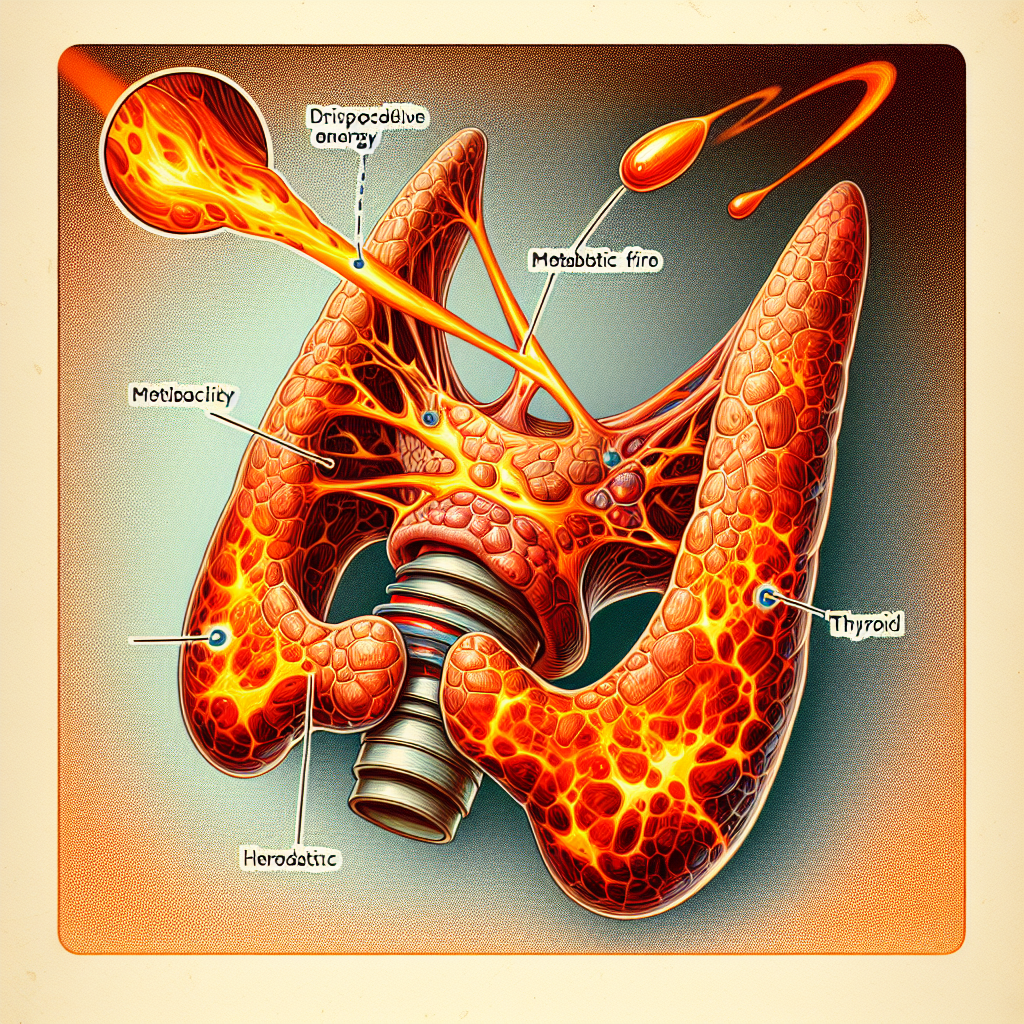
Vitamin A deficiency from poor bile function specifically disrupts thyroid hormone signaling through impaired retinoid X receptor (RXR) and thyroid receptor (TR) heterodimerization. These nuclear receptors require adequate retinoids to form functional complexes that regulate gene transcription. Without proper bile-mediated vitamin A absorption, the molecular machinery for thyroid hormone action at the cellular level essentially becomes non-functional. The physiology of bile secretion demonstrates its critical role in creating the appropriate intestinal environment for nutrient absorption.
Research reveals that vitamin A supplementation in premenopausal women affects thyroid function, with vitamin A deficiency increasing TSH gene transcription in pituitary thyrotropes while simultaneously impairing peripheral T4 to T3 conversion—creating a state of functional hypothyroidism despite potentially normal thyroid hormone levels.
Vitamin E deficiency from bile dysfunction creates profound oxidative stress in hormone-producing tissues, with research showing significantly reduced enzymatic activity in steroid hormone biosynthesis—the enzyme essential for converting pregnenolone to progesterone. This single enzymatic disruption cascades through the entire steroidogenic pathway, impairing production of cortisol, aldosterone, testosterone, and estrogen.
Nutrient cofactors reveal why isolated supplementation fails catastrophically
The relationship between bile function and specific micronutrients demonstrates why supplementation without addressing bile is not just ineffective but potentially harmful. Micronutrient imbalances create complex interactions that cannot be resolved through isolated supplementation.
Molybdenum, functioning through sulfite oxidase and xanthine oxidase, plays an essential role in redox reactions and cellular metabolism. This trace element protects bile duct epithelial cells from oxidative damage while simultaneously participating in Phase I detoxification of steroid hormones. When molybdenum-dependent xanthine oxidase activity decreases due to poor bile function, the liver’s capacity to metabolize excess estrogen becomes severely compromised, creating hormone accumulation even while production may be impaired.
Riboflavin (B2) presents a particularly elegant example of bile-nutrient interdependence through its role in bile acid metabolism. As the precursor for FAD and FMN, riboflavin is essential for multiple enzymatic processes including bile acid synthesis. However, riboflavin itself requires proper transport mechanisms for secretion into bile. When bile flow is compromised, riboflavin cannot be properly recycled, creating simultaneous deficiency and potential toxicity.
The research demonstrates that thyroid function and riboflavin metabolism are intimately connected. Hypothyroid individuals have particular difficulty converting riboflavin to its active FAD/FMN forms, establishing a vicious cycle: poor thyroid function reduces riboflavin activation, which impairs bile acid synthesis, which worsens hormone clearance, further compromising thyroid function.
The selenium-iodine relationship becomes particularly treacherous with bile dysfunction. Research demonstrates that all major bile acids (CDCA, CA, DCA, LCA, UDCA) dose-dependently inhibit both basal and TSH-induced iodide uptake in thyroid cells at physiological concentrations. This means that when bile flow is poor and systemic bile acid levels rise, the thyroid gland literally cannot utilize iodine—making iodine supplementation not just ineffective but potentially harmful as it accumulates without being incorporated into thyroid hormones.
Bile acid physiology reveals complex regulatory mechanisms affecting multiple organ systems. Copper presents unique challenges, as its mitochondrial function and metabolism are critically dependent on bile for elimination. Bile represents the primary elimination pathway, containing approximately five times more copper than dietary intake.
When bile flow is compromised, copper accumulates, with research showing connections between estrogen intake and copper deposition. This creates a positive feedback loop where estrogen increases copper retention, and elevated copper enhances estrogen activity.
Bile acids function as master hormonal regulators through nuclear receptor signaling
The discovery that bile acids serve as ligands for nuclear receptors fundamentally changed our understanding of their role in hormone regulation. Farnesoid X receptor (FXR) activation by bile acids induces Small Heterodimer Partner (SHP), which then inhibits multiple metabolic pathways including SREBP-1c-mediated triglyceride synthesis and gluconeogenesis. This positions bile acids as master metabolic regulators that coordinate lipid, carbohydrate, and protein metabolism with hormonal status.
Bile acids are now recognized as nutrient signaling hormones rather than simple digestive aids. The TGR5 receptor demonstrates even more direct hormonal effects through its signaling in metabolic regulation. Activated primarily by secondary bile acids (LCA > DCA > CDCA > CA), TGR5 induces type 2 deiodinase (DIO2), directly converting T4 to active T3 in peripheral tissues.
This Gαs-coupled receptor also stimulates GLP-1 and PYY secretion from enteroendocrine L-cells. Research shows that bile acids stimulate GLP-1 and PYY release through the Epac/PLC-ε pathway, with bile acids increasing GLP-1 secretion by 3.5-fold and PYY by 2.9-fold, demonstrating their profound influence on metabolic hormones.
Bile acids are important direct and indirect regulators of appetite and metabolism-regulating hormones from the gut and pancreas. FGF19 regulation represents another critical mechanism in bile acid signaling. Intestinal FXR activation by bile acids induces FGF19 expression up to 300-fold, with FGF19 then signaling through the FGFR4/βKlotho complex to suppress CYP7A1 and CYP8B1, creating negative feedback on bile acid synthesis while simultaneously modulating glucose metabolism and insulin sensitivity.
The liver detoxification cascade reveals why bile is foundational
The dependence of hormone clearance on bile flow becomes evident when examining the three phases of liver detoxification. Phase I cytochrome P450 enzymes convert lipophilic hormones to intermediate metabolites, but these often become more toxic than the parent compounds. Phase II conjugation—through glucuronidation, sulfation, and methylation—makes these metabolites water-soluble for excretion. However, Phase III transport and elimination absolutely requires adequate bile flow.
Research on bile acid metabolism and signaling reveals that 95% of bile acids delivered to the duodenum are recycled through enterohepatic circulation, with each molecule reused approximately 20 times. When bile flow is impaired, conjugated hormones cannot be eliminated, leading to accumulation and reactivation.
Estrogen metabolism demonstrates this clearly: the protective 2-hydroxylation pathway creates weak anti-estrogenic metabolites, while 16α-hydroxylation creates potent proliferative compounds. Without proper bile flow to eliminate these metabolites, even favorable 2-hydroxylation becomes problematic as metabolites accumulate.
For thyroid hormones, bile stasis causes particularly complex disruptions in thyroid hormone physiology. Normal clearance involves sulfation followed by D1 deiodination and biliary excretion. When bile flow is compromised, sulfated iodothyronines accumulate, D1 activity decreases, and reverse T3 formation increases through preferential 5′-deiodination. Since rT3 blocks T3 receptors without activating them, this creates functional hypothyroidism despite potentially normal or even elevated total hormone levels.
Inflammatory cascades from bile dysfunction create system-wide hormonal disruption
Bile stasis activates Nuclear Factor-κB (NF-κB) signaling pathways, triggering severe increases in pro-inflammatory cytokines including TNF-α, IL-1β, and IL-6. These inflammatory mediators don’t just cause local tissue damage—they systemically interfere with hormone receptor sensitivity and hormone synthesis pathways throughout the body.
The mitochondrial impact proves particularly devastating. Research demonstrates that bile acids induce alterations in mitochondrial function in skeletal muscle fibers, causing dose-dependent membrane depolarization, reduced oxygen consumption, and impairment of electron transport chain complexes. The resulting ATP depletion compromises every energy-dependent process in hormone synthesis, from StAR protein-mediated cholesterol transport to the multiple enzymatic steps in steroidogenesis.
The gut microbiome-bile-hormone axis reveals unexpected connections
Bile acid signaling in metabolic and inflammatory diseases reveals complex microbiome interactions. The antimicrobial properties of bile acids normally maintain relative sterility in the small intestine. When bile flow decreases, this protective effect disappears, enabling small intestinal bacterial overgrowth (SIBO).
Research shows that SIBO involves complex relationships with multiple disease states. Microbial transformations of human bile acids reveal that dysbiotic bacteria deconjugate primary bile acids in the wrong location—the small intestine rather than the colon. This proximal deconjugation prevents proper bile acid reabsorption in the terminal ileum, further reducing the bile acid pool.
The implications for hormone metabolism prove profound. Bacterial beta-glucuronidase activity increases dramatically with dysbiosis, deconjugating hormones meant for elimination and allowing their reabsorption. Studies demonstrate that high beta-glucuronidase activity correlates with increased risk for hormone-dependent cancers including breast, prostate, and colon cancers.
Why conventional hormone support approaches fail without addressing bile
The limitations of popular hormone support supplements become clear when viewed through the lens of bile dependency. Calcium-D-glucarate has been studied for its effects on hormone metabolism, working by inhibiting bacterial beta-glucuronidase, preventing hormone reabsorption. Yet its mechanism fundamentally depends on hormones reaching the intestine via bile in the first place. When bile flow is compromised, glucuronidated compounds remain trapped in the liver, rendering CDG supplementation essentially useless.
DIM (diindolylmethane) and its precursor indole-3-carbinol have regulatory roles in liver metabolism, helping shift estrogen metabolism toward favorable 2-hydroxylation during Phase I detoxification. However, these oxidized metabolites require Phase II conjugation and Phase III biliary excretion for elimination. Without proper bile flow, DIM supplementation may actually increase the toxic burden as oxidized metabolites accumulate and recirculate.
Sulforaphane activates the NRF2 pathway, upregulating Phase II detoxification enzymes. However, Phase III detoxification entails the transport of water-soluble compounds out of the liver via bile or kidneys. Without adequate bile flow, sulforaphane creates a bottleneck effect—increasing conjugation capacity while the elimination pathway remains blocked.
The methylation trap phenomenon explains supplement failures
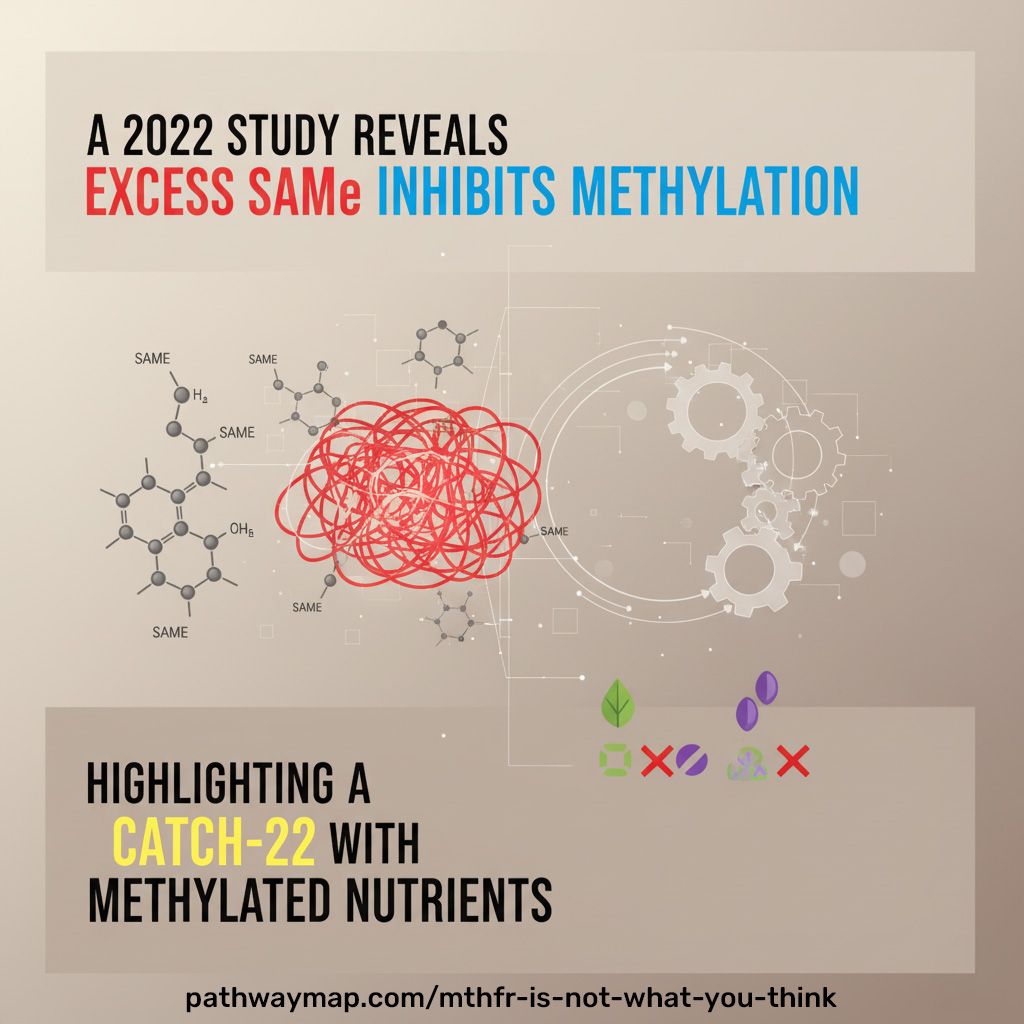
When bile function is compromised, pushing methylation with high-dose methylfolate and methylB12 creates what researchers term “methyl trapping.” The gut microbiota contributes to methionine metabolism in the host, but this process requires proper digestive function. The synthesis of S-adenosylmethionine (SAMe), the universal methyl donor, requires methionine absorption from dietary proteins—a process severely impaired by bile dysfunction.
The metabolism and significance of homocysteine reveals complex nutritional interactions. Methylation requires adequate levels of B6, B12, folate, zinc, and magnesium—all dependent on proper digestive function for absorption. Without these cofactors, supplemented methyl donors cannot be utilized effectively, creating functional deficiency despite high supplement intake.
Riboflavin particularly plays a critical role as FAD is required for MTHFR enzyme function, connecting bile dysfunction directly to methylation impairment. This explains why many individuals experience anxiety, insomnia, or other adverse effects from methylation support—the biochemical infrastructure to utilize these compounds simply doesn’t exist without proper bile function.
Hormone-sensitive conditions reveal bile as the common denominator
The research demonstrates striking connections between bile dysfunction and hormone-sensitive conditions. Thyroid hormone suppresses bile acid synthesis in primary human hepatocytes, creating a bidirectional relationship. Women with PCOS show altered bile acid metabolism, with bile dysfunction contributing to the insulin resistance that drives PCOS pathophysiology.
The relationship between estrogen and copper metabolism reveals complex interactions relevant to hormone-sensitive conditions. The impaired hormone clearance from poor bile flow exacerbates androgen excess, while inflammatory cascades worsen metabolic dysfunction.
Bile acids functioning as nutrient signaling hormones explains why digestive dysfunction so often accompanies hormonal conditions. The FXR and TGR5 bile acid receptors modulate inflammatory responses, with dysfunction promoting tissue inflammation characteristic of conditions like endometriosis.
Scientific mechanisms demonstrate bile restoration as therapeutic priority
The cascade from bile dysfunction to hormonal chaos follows predictable biochemical pathways: impaired fat and nutrient absorption leads to cofactor deficiencies, which impair enzyme function, disrupting hormone production and clearance. This isn’t simply a linear progression but a series of self-reinforcing feedback loops.
Hypothyroidism affects bile acid metabolism and gallstone formation, while bile acids directly inhibit thyroid iodide uptake. Estrogen increases copper retention while copper enhances estrogen activity. Poor antioxidant status from selenium and molybdenum deficiency increases oxidative stress, further impairing bile synthesis.
Recent research reveals bile acid-mediated gut-brain axis involvement in anxiety and depression, demonstrating that bile dysfunction affects not just physical but mental health through hormonal pathways. The gut microbiota regulates neurotransmitters with effects on cognition, further emphasizing the systemic impact of bile dysfunction.
Bile acid malabsorption creates widespread metabolic disruption that cannot be resolved through downstream interventions. The research overwhelmingly demonstrates that bile acids function not as simple digestive detergents but as master regulators integrating nutrient metabolism, hormone signaling, and inflammatory responses.
This understanding fundamentally challenges conventional approaches to hormone optimization. Rather than forcing downstream pathways with targeted supplementation, the evidence supports prioritizing bile function restoration as the foundation for hormonal health. Only when bile synthesis, flow, and signaling are optimized can the complex machinery of hormone production, metabolism, and clearance function as designed. The biochemical evidence presented here provides a framework for understanding why addressing bile dysfunction may resolve seemingly disparate hormonal issues that have resisted conventional treatment approaches.