The Infectious-Inflammatory Nexus of Cardiovascular Disease
Executive Summary
The long-held “lipid hypothesis” of atherosclerosis, which emphasizes the central role of cholesterol accumulation, must be expanded to include the “infection hypothesis” to fully account for the complex pathogenesis of cardiovascular disease. This report presents a comprehensive synthesis of recent research demonstrating that infections are not merely confounding variables but are active, multi-modal drivers of cardiovascular pathology. The analysis reveals a dual mechanism: on one hand, infections, both acute and chronic, induce a systemic inflammatory response that profoundly alters lipid metabolism, creating a pro-atherogenic environment. On the other, specific pathogens can directly colonize arterial plaques, destabilizing them and triggering acute cardiovascular events. This report will detail how cytokine-driven dyslipidemia, the paradoxical functions of high-density lipoprotein cholesterol (HDL-C), the insidious role of bacterial biofilms, and the robust epidemiological link between acute infections and short-term cardiac risk all converge to form a unified model of cardiovascular disease. Ultimately, this paradigm shift has significant implications for clinical practice, advocating for a holistic view of patient risk that integrates infectious burden into a comprehensive framework for prevention and treatment.
Chapter 1: The Acute Phase Response: A Double-Edged Sword in Lipid Metabolism
The body’s immediate response to a pathogen is the acute phase response, a highly conserved component of the innate immune system. While this systemic reaction is essential for fighting infection, it also initiates a cascade of profound alterations in lipid and lipoprotein metabolism that can contribute to cardiovascular pathology. The swift and consistent changes in serum lipids during an inflammatory state are not random, but are part of a coordinated biological response that, if prolonged, creates a distinct pro-atherogenic environment.
1.1. Cytokine-Mediated Dyslipidemia
The central orchestrators of the acute phase response are proinflammatory cytokines, particularly Interleukin-6 (IL-6) and Tumor Necrosis Factor-alpha (TNF-α).1, 2 These signaling molecules, expressed in response to cellular damage or infection, exert a powerful influence on energy balance and lipid metabolism. Their pleiotropic activity directly disrupts normal lipid handling, primarily within the liver and adipose tissue.1
The most consistent and notable lipid alterations observed during inflammation include a significant decrease in serum HDL-C and a marked increase in triglycerides (TGs).3, 4 This hypertriglyceridemia is a direct result of two parallel mechanisms: an increase in the hepatic production and secretion of very-low-density lipoprotein (VLDL) and a simultaneous decrease in the clearance of TG-rich lipoproteins.3 For instance, TNF-α is known to inhibit lipoprotein lipase (LpL) at both the messenger RNA (mRNA) and protein levels.5 Since LpL is the extrahepatic enzyme responsible for the hydrolysis of triglyceride-rich lipoproteins, its inhibition leads to impaired TG clearance and a resulting accumulation of these particles in the bloodstream.5
Beyond the changes in quantity, the quality and function of lipoproteins are also adversely affected. While low-density lipoprotein (LDL) levels can be variable, ranging from decreased to increased, there is a consistent rise in the prevalence of small, dense LDL particles.3 This change occurs as a result of the exchange of TGs from TG-rich lipoproteins to LDL, followed by the hydrolysis of those TGs, which makes the LDL particles smaller and more atherogenic.3 Furthermore, inflammation consistently elevates levels of lipoprotein(a) or Lp(a) due to increased apolipoprotein(a) synthesis.3 The ability of HDL to prevent the oxidation of LDL is diminished, making LDL more susceptible to oxidative modification, a key step in atherogenesis.3 These lipid and lipoprotein abnormalities are part of a larger systemic response where the reverse cholesterol transport pathway, which moves cholesterol from the arteries back to the liver, is disrupted and downregulated.3, 6 The degree of these lipid alterations is directly correlated with the severity of the underlying inflammatory disease, with more severe diseases leading to more pronounced changes.3 Treatment of the underlying infectious or inflammatory condition often results in a return of the lipid profile toward normal.3
It is important to understand that these dramatic changes in lipid metabolism are not simply a pathological consequence but an evolved component of the innate immune response designed to protect the host.3 For example, HDL particles are consumed in their role of detoxifying bacterial lipopolysaccharides (LPS).4 This protective function, however, creates a state of dyslipidemia that, if sustained, contributes to a heightened risk of atherosclerosis. This dual nature of the inflammatory response—initially protective, but chronically pathogenic—is central to the intricate relationship between infection and cardiovascular disease.
Table 1: Lipid and Lipoprotein Alterations During Systemic Inflammation
Lipid/Lipoprotein
Observed Change
Underlying Mechanism
Clinical Implication
HDL-C
Significant decrease
Consumption of HDL in detoxifying bacterial LPS; disrupted reverse cholesterol transport pathway.
Diminished ability to prevent LDL oxidation; increased susceptibility to atherosclerosis.
Triglycerides (TGs)
Significant increase
Increased hepatic VLDL production; decreased clearance due to cytokine-mediated inhibition of LpL.
Hypertriglyceridemia, a known cardiovascular risk factor; leads to the formation of small, dense LDL.
LDL-C
Variable (often decreased)
Altered VLDL production and clearance.
Levels are variable, but the function is adversely affected.
Small, dense LDL
Significant increase
Exchange of TGs from TG-rich lipoproteins to LDL, followed by TG hydrolysis.
Increased atherogenicity; more easily oxidized and retained in the arterial wall.
Lp(a)
Consistent increase
Increased synthesis of apolipoprotein(a) driven by inflammation.
An independent risk factor for cardiovascular disease.
1.2. The U-Shaped Relationship of HDL-C and Infectious Risk
The role of HDL-C in infectious disease presents a paradox that challenges the conventional wisdom that higher HDL levels are universally beneficial. Research indicates a compelling U-shaped relationship between HDL-C levels and the risk of infectious disease.7 This means that individuals with both very low and very high levels of HDL-C are at a greater risk of hospitalization and death from infectious diseases compared to those with levels in the normal range.7
The analysis of this non-linear relationship reveals a more nuanced understanding of HDL’s function. A very low HDL level may signify a system that lacks the capacity to mount an adequate anti-endotoxin response, leaving it more vulnerable to infection.4 In contrast, a very high HDL level might not necessarily reflect a healthy cholesterol profile but could serve as a biomarker for an underlying state of immune or metabolic dysfunction.7 This suggests that HDL particles in these individuals may be functionally impaired, unable to effectively offload cholesterol or perform their crucial protective and anti-inflammatory roles.6 This indicates that the functionality and quality of HDL, rather than its mere quantity, are critical for both immune system health and cardiovascular protection. This insight challenges a narrow focus on HDL as only a cardiovascular marker and suggests that future research should examine its broader role in infectious diseases and immune function.7
Chapter 2: Chronic Infections as Drivers of Atherosclerosis
While acute infections can trigger immediate cardiovascular events, chronic, low-grade infections create a state of persistent immune dysregulation that acts as a continuous accelerator of the atherosclerotic process over many years. These infections often operate through a multi-pronged mechanism, making them potent co-conspirators in cardiovascular pathology.
2.1. The Systemic Inflammation Model: HIV as a Case Study
The documented association between Human Immunodeficiency Virus (HIV) and cardiovascular disease provides a powerful case study for understanding how chronic infections drive atherosclerosis. Even with effective anti-viral agents, cardiovascular disease remains a major cause of morbidity and mortality in HIV-infected patients.3, 8 This elevated risk is a result of a “triple threat” combining chronic inflammation, direct pathogen effects, and therapeutic side effects.
The persistent inflammatory milieu is a major contributor to cardiovascular disease in individuals with HIV.9 Higher levels of inflammatory markers, such as C-reactive protein, IL-6, and TNF, have been found in HIV-positive individuals compared to HIV-negative individuals.9 This systemic inflammation and immune activation are not fully suppressed even in patients who are compliant with antiretroviral therapy and have complete virological suppression, leaving a residual risk for coronary heart disease.9
Furthermore, there is evidence that the virus itself plays a direct role. HIV proteins, such as p24, have been detected in the smooth muscle cells of human atherosclerotic plaques, suggesting that the virus can directly infect and stimulate the proliferation of these cells, thereby promoting atherosclerosis.9 The HIV Nef protein, in particular, impairs cholesterol efflux from macrophages, which could accelerate the formation of lipid-laden foam cells.8
Finally, certain antiretroviral therapies, especially earlier-generation protease inhibitors, can contribute to dyslipidemia by increasing total cholesterol, LDL-C, and triglyceride levels.8 The synergistic effect of these three factors—chronic inflammation, direct viral damage, and therapy-induced dyslipidemia—accounts for the disproportionately high burden of cardiovascular disease observed in this patient population.8 The combination of these insults with traditional risk factors explains why the pathogenesis of HIV-associated atherosclerosis is so aggressive, even though the underlying process largely mirrors that of uninfected individuals.8
2.2. Periodontal Disease: The Oral-Systemic Connection
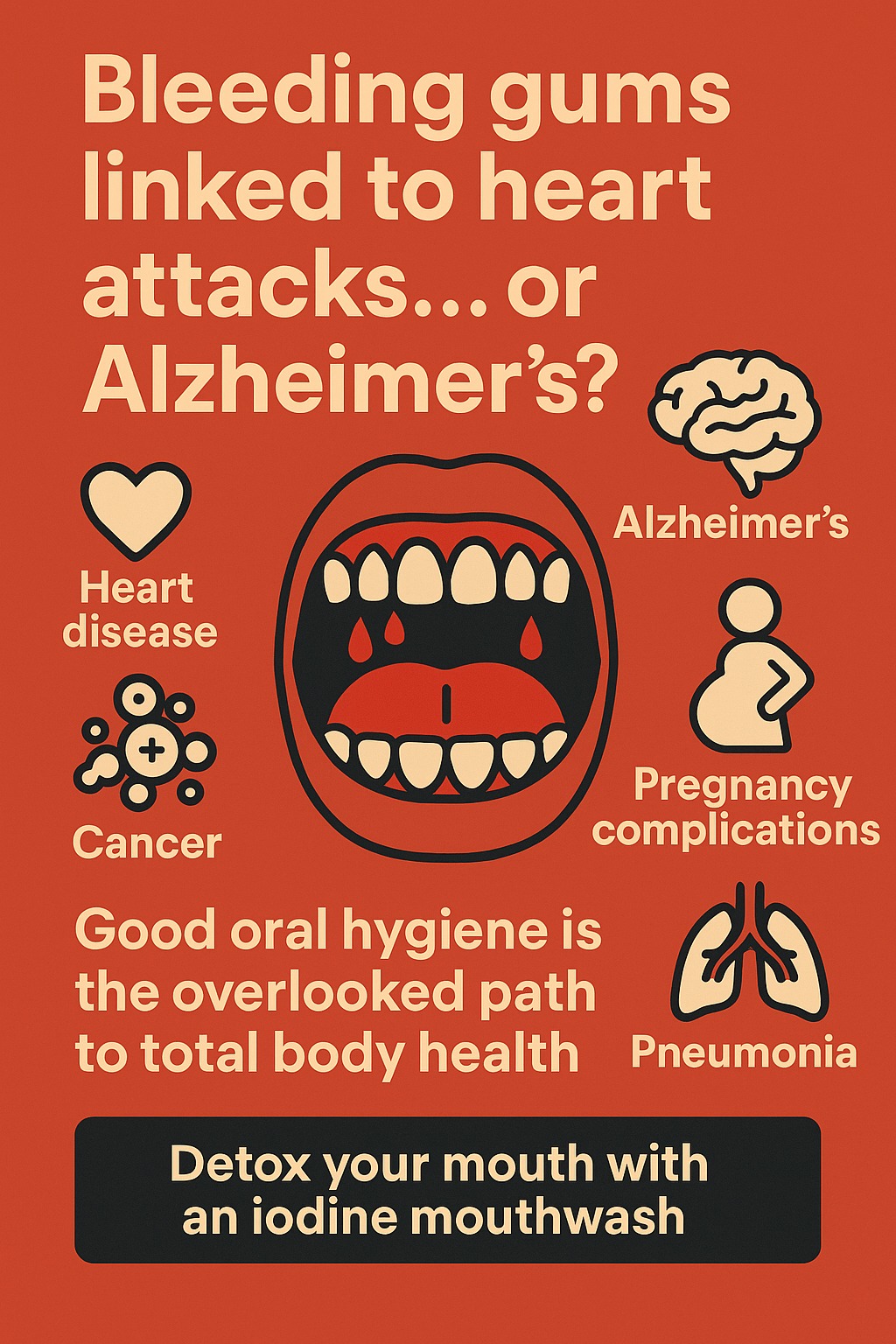
The relationship between periodontal disease and cardiovascular health exemplifies a direct link between a chronic localized infection and systemic vascular pathology.10, 11 While this association has been noted for some time, a deeper understanding of the mechanisms reveals a direct, two-pathway connection that goes beyond shared confounding risk factors like smoking or diabetes.11
The first pathway is through a systemic inflammatory response.12 A chronic inflammatory focus in the oral cavity is sufficient to cause systemic inflammation, evidenced by elevated C-reactive protein (CRP), which is a marker for inflammation in the blood vessels.10, 11 This systemic inflammation can potentiate the atherosclerotic process and induce dyslipidemia, with the severity of the periodontal disease correlating directly with an unfavorable lipid profile, including higher TGs, lower HDL-C, and a smaller LDL particle size.3
The second, and perhaps more insidious, pathway is the direct colonization of atherosclerotic plaques by oral bacteria.11 Bacteria from dental plaque and gum infections, such as viridans streptococci and Porphyromonas gingivalis, can enter the bloodstream through brief episodes of bacteremia.12, 13 Once in the circulation, these pathogens can invade and adhere to endothelial cells, causing dysfunction and the expression of adhesion molecules that recruit monocytes, a key step in atherosclerosis.11, 12
The most alarming aspect of this mechanism is the formation of hidden, immune-evasive biofilms deep within existing arterial plaques.13 These sticky bacterial colonies can lie dormant, evading detection by the body’s immune system. However, they act as a “ticking time bomb.” When the arterial plaques rupture, fragments of these bacterial biofilms are released, triggering a powerful, localized immune response.13 This inflammatory burst, mediated through a bacterial signaling pathway like Toll-like receptor 2 (TLR2), destabilizes the arterial wall, causing a sudden rupture and triggering a heart attack.13 This direct, causal link between chronic bacterial biofilms and acute myocardial infarction provides strong support for the “infection hypothesis of myocardial infarction”.13
Chapter 3: Acute Infections as Triggers for Cardiovascular Events
Beyond their role in chronic pathogenesis, acute infections are now understood to be significant triggers for the immediate onset of acute cardiovascular events, such as myocardial infarction (AMI) and stroke. The evidence for this link is robust and quantitative, demonstrating a strong, short-term temporal association.
3.1. Quantifying the Acute Risk
Epidemiological and meta-analytical studies have provided compelling evidence of the magnitude of this short-term risk.14 A meta-analysis of observational studies found high-certainty evidence that influenza triggers both AMI and stroke.14 Specifically, influenza was associated with a 5.37-fold increased incidence rate ratio (IRR) for AMI and a 4.7-fold increased risk of stroke within the first 28 days following the infection.14
The association is not limited to influenza. A study of over 1,300 cases of acute coronary heart disease (CHD) found a strong temporal association between various acute infections and the event.15 Pneumonia, for instance, was associated with an odds ratio (OR) of 25.53 within 14 days of the CHD event, and urinary tract infections (UTIs) had an OR of 3.32 within the same time frame.15 This association was generally strongest in the exposure periods closest to the CHD event and attenuated as the time window increased.14, 15 This temporal dependency suggests a direct triggering mechanism where the initial, intense systemic inflammatory and pro-coagulant response to the acute infection is the proximate cause of the event, distinguishing it from the long-term, chronic effects discussed previously.
Table 2: Clinical Associations Between Specific Infections and Cardiovascular Events
Infection
Cardiovascular Event
Time Window
Reported Risk (IRR or OR)
Influenza
Acute Myocardial Infarction (AMI)
Within 28 days
IRR: 5.37
Influenza
Stroke
Within 28 days
IRR: 4.72
Pneumonia
Acute CHD
Within 14 days
OR: 25.53
Pneumonia
Acute CHD
Within 90 days
OR: 5.60
Urinary Tract Infection (UTI)
Acute CHD
Within 14 days
OR: 3.32
Urinary Tract Infection (UTI)
Acute CHD
Within 90 days
OR: 2.62
Bloodstream Infection
Acute CHD
Within 14 days
OR: 5.93
Bloodstream Infection
Acute CHD
Within 90 days
OR: 4.77
3.2. Pathological Cascade of an Acute Event
The final pathological step is the conversion of a stable atherosclerotic plaque into an unstable, rupture-prone one.16 This process, which can be triggered by an acute infection, involves a number of interconnected mechanisms. The systemic inflammatory response to an acute infection, characterized by a surge of cytokines and other inflammatory mediators, can weaken the fibrous cap of an existing atherosclerotic plaque.14, 16 This weakening is often a result of macrophage and T lymphocyte infiltration, which leads to the secretion of proteolytic enzymes like metalloproteinase that reduce the stability of the fibrous cap.16
Once the fibrous cap breaks down, the highly pro-thrombotic contents of the plaque—including lipids, dead cells, and cellular debris—are exposed to the bloodstream.16 This exposure triggers the coagulation process, leading to the rapid formation of a blood clot or thrombus.16 The formation of this thrombus can completely or partially occlude the artery, resulting in a sudden and catastrophic lack of blood flow to the heart (a heart attack) or the brain (a stroke).14, 16
Chapter 4: The Pathological Cascade: A Unified Model
The relationship between infections and cardiovascular disease is not a simple linear path but a complex, interconnected web of biological processes. Synthesizing the mechanisms of acute and chronic infections into a single, cohesive model reveals a powerful, self-perpetuating cycle that amplifies risk over time. This unified model is crucial for moving beyond a fragmented understanding of cardiovascular pathology.
4.1. From Infection to Endothelial Dysfunction
The process begins with an infectious trigger, whether it is a chronic, low-grade infection like periodontal disease or an acute event like influenza. This trigger leads to a systemic inflammatory response, with the release of cytokines and other inflammatory mediators.14 This inflammatory state causes damage to the vascular endothelium, the “gatekeeper” of the vessel wall, which is essential for regulating vascular tone and homeostasis.17 Endothelial dysfunction is considered the earliest key step in the development of most cardiovascular diseases.16, 17 Beyond systemic effects, certain pathogens can directly contribute to this damage. For example, Chlamydia pneumoniae, a common respiratory pathogen, can disseminate systemically and localize in arteries, where it may infect endothelial cells and vascular smooth muscle cells, inducing a chronic inflammatory state that promotes atherogenesis.18, 19
4.2. Cholesterol as an Inflammatory Amplifier: The Feedforward Loop
Endothelial dysfunction, coupled with systemic inflammation, facilitates the oxidative modification of LDL.5, 16 This oxidized LDL (ox-LDL) is then taken up by macrophages via scavenger receptors, transforming the macrophages into lipid-laden foam cells, which are the hallmark of a fatty streak.16
The accumulation of cholesterol within these macrophages creates a critical feedback loop that amplifies the inflammatory response.6 Evidence suggests that cholesterol enrichment of the macrophage plasma membrane promotes the formation of inflammatory signaling complexes, such as those involving Toll-like receptors (TLRs).6 This activation of TLR signaling, in turn, leads to a decrease in cholesterol efflux from the cell, resulting in further cholesterol accumulation and the amplification of inflammatory responses.6 This explains how a transient infectious event can initiate or accelerate a chronic, progressive disease by converting cholesterol from a mere passenger in the circulation to an active pro-inflammatory agent within the vessel wall.
4.3. Plaque Development and Vulnerability
The vicious cycle of inflammation and lipid accumulation drives the progression from a fatty streak to a mature atherosclerotic plaque.16 Chronic inflammation, whether from a systemic source like HIV or a localized one like periodontal disease, contributes to the development of a mature plaque. However, a key step in this process is the creation of a “vulnerable plaque,” which is susceptible to rupture.16 Chronic bacterial biofilms from sources such as periodontal disease can take up residence within these plaques, acting as a source of persistent inflammation and instability.13 An acute infection then serves as the final, potent trigger.14 The intense systemic inflammatory and pro-coagulant effects of the acute illness can cause the weakened, biofilm-laden fibrous cap of the vulnerable plaque to rupture, leading to the formation of a thrombus and a catastrophic cardiovascular event.13, 16
Table 3: The Pathogenesis Cascade: A Unified Flowchart
Step
Process
Key Players
Mechanisms
1. The Trigger
Onset of acute or chronic infection.
Bacteria (Viridans streptococci), viruses (Influenza, HIV), cytokines (IL-6, TNF-α).
Pathogen invasion, systemic or localized inflammation.
2. Endothelial Dysfunction
The vascular “gatekeeper” is compromised.
Endothelial cells, inflammatory mediators, reactive oxygen species.
Inflammatory signals and pathogens disrupt the endothelial barrier.
3. Lipid Accumulation
Cholesterol and lipoprotein metabolism are altered.
LDL, TGs, HDL, Cytokines.
Cytokine-mediated dyslipidemia, increased retention of oxidized LDL in the arterial intima.
4. Inflammatory Amplification
The feedforward loop is activated.
Macrophages, oxidized LDL, Toll-like receptors (TLRs).
Oxidized LDL is taken up by macrophages, accumulating cholesterol, which in turn promotes and amplifies TLR signaling and inflammation.
5. Plaque Development
The disease progresses from fatty streak to plaque.
Foam cells, smooth muscle cells, bacterial biofilms.
Macrophages transform into foam cells, creating fatty streaks; chronic inflammation and biofilms weaken the plaque’s fibrous cap.
6. The Catastrophe
Plaque rupture and thrombus formation.
Unstable/vulnerable plaque, pro-thrombotic contents, acute inflammation.
A final acute inflammatory event destabilizes the weakened plaque, causing it to rupture and form a blood clot that blocks the artery.
Chapter 5: Clinical Implications and Future Directions
The insights gleaned from this unified model of infection-driven cardiovascular disease have profound implications for clinical practice and public health. A paradigm shift is needed to move beyond the narrow focus on traditional risk factors and embrace a more holistic view of patient health.
5.1. Synergistic Risk and the Limitations of Traditional Calculators
The analysis demonstrates that infections do not simply exist as a separate risk factor but act synergistically with and exacerbate traditional risk factors such as obesity and diabetes.11, 20 A significant portion of the cardiovascular disease burden in the general population remains unexplained by conventional risk factors, suggesting that a more comprehensive framework is necessary.11 Standard risk calculators, such as the ACC/AHA and Framingham scores, may not fully account for the cumulative burden of infectious and inflammatory states.3 To accurately assess risk, a more integrated approach that considers the patient’s history of both chronic and acute infections is warranted.
5.2. Therapeutic and Preventive Strategies
The most compelling evidence for the link between infection and cardiovascular disease comes from preventive strategies. Vaccination, for example, has been increasingly recognized for its cardiovascular protective effects.14, 21 A systematic review and meta-analysis showed that the shingles vaccine could lower the risk of a heart attack or stroke by as much as 18%.21 Similarly, influenza vaccination has been shown to confer a protective effect, particularly among high-risk groups.14 These findings validate the hypothesis that targeting the infectious trigger can reduce cardiovascular risk.
Beyond vaccination, other interventions hold promise. Studies have suggested that statins, typically prescribed for cholesterol management, may also reduce vascular inflammation induced by pathogens like Chlamydia pneumoniae.18 The direct colonization of arterial plaques by oral bacteria also raises the speculative but important question of whether the use of antibiotics during an acute heart attack could reduce risk.13 More broadly, the profound connection between oral health and heart disease underscores the importance of basic hygiene. Proper oral care is no longer just a matter of dental health but a simple, low-cost preventive measure against a primary source of pro-inflammatory bacterial biofilms.10, 13
5.3. A Call for New Research Paradigms
The findings of this report advocate for a new research paradigm that moves beyond a narrow focus on cardiovascular disease.7 Future studies on lipid function, such as the role of HDL, should be broadened to include their function in infectious disease and immune response.7 A deeper understanding of the functional quality of lipoproteins is needed, not just their quantity. Furthermore, comparative studies on the relative effects of different pathogens on cardiovascular risk remain an important area for future investigation.14 Finally, the powerful oral-systemic link necessitates a greater level of coordination between physicians and dentists to address oral biofilms and improve patient health on a systemic level.22
Conclusion
In conclusion, the report has demonstrated that the infection hypothesis is not a fringe theory but a fundamental complement to the lipid hypothesis of atherosclerosis. The synthesis of evidence reveals a sophisticated, multi-modal relationship where infections drive cardiovascular disease through both chronic, inflammatory dysregulation and acute, destabilizing events. The dual nature of the immune response, the direct colonization of vascular tissue by pathogens, and the synergistic effect of infection on lipid metabolism present a comprehensive, unified model that accounts for a significant portion of the unexplained burden of cardiovascular disease. This new understanding opens up novel avenues for prevention and therapy, from vaccination and improved hygiene to targeted interventions aimed at disrupting the pro-inflammatory and pro-thrombotic cascade initiated by pathogens. This integrated view of disease is not just an academic exercise; it is a critical step toward improving patient care and developing more effective strategies to combat the world’s leading cause of mortality.
Sources for the Document
- ncbi.nlm.nih.gov/pmc/articles/PMC6449170/ – Provides the core physiological mechanisms by which infections alter cholesterol, specifically the decrease in HDL and increase in triglycerides.
- jstage.jst.go.jp/article/bpb/36/4/36_4_537/_article – Explains the role of IL-6 and other cytokines in influencing lipid metabolism during inflammation.
- researchgate.net/publication/257321689_Risk_of_nosocomial_infections_and_effects_of_total_cholesterol_HDL_cholesterol_in_surgical_patients – Discusses how inflammation affects total and HDL cholesterol levels in a clinical setting.
- ncbi.nlm.nih.gov/pmc/articles/PMC4161947/ – Details the alterations of cholesterol metabolism in inflammation-induced atherogenesis.
- ncbi.nlm.nih.gov/pmc/articles/PMC3969471/ – Discusses the relationship between cholesterol, inflammation, and innate immunity.
- pharmacytimes.com/view/high-and-low-levels-of-hdl-cholesterol-increase-risk-of-infectious-disease – Explains the “U-shaped relationship” of HDL levels and risk of infectious diseases.
- journals.asm.org/doi/10.1128/CMR.00030-22 – Covers the link between HIV and cardiovascular disease.
- jacc.org/doi/full/10.1016/j.jacc.2014.07.018 – Provides information on HIV and ischemic heart disease.
- colgate.com/en-us/oral-health/threats-to-dental-health/oral-health-and-heart-disease-how-theyre-connected – Offers an overview of the connection between oral health and heart disease.
- ahajournals.org/doi/10.1161/ATV.0.0000000000000038 – Discusses the link between periodontal disease and atherosclerosis.
- akjournals.com/view/journals/030/165/1-2/article-p25.xml – Explains the role of periodontal pathogens in developing atherosclerotic plaques.
- economictimes.indiatimes.com/magazines/panache/oral-bacteria-responsible-for-heart-attacks-and-strokes/articleshow/98068593.cms – This article details the role of bacterial biofilms from dental plaque in promoting inflammation and plaque rupture in arteries.
- academic.oup.com/eurheartj/article/43/27/2585/6584661 – Provides data from a meta-analysis linking respiratory viral infections like influenza to an increased risk of heart attack and stroke.
- ncbi.nlm.nih.gov/pmc/articles/PMC6826694/ – Discusses how different types of infections trigger cardiovascular disease.
- frontiersin.org/articles/10.3389/fcvm.2023.1118933/full – Explains how inflammation and lipid accumulation lead to atherosclerosis.
- ncbi.nlm.nih.gov/pmc/articles/PMC8974597/ – Explains the “immune system paradox,” highlighting how the body’s protective inflammatory response can become a destructive force.
- mdpi.com/1999-4915/14/10/2208 – Discusses the role of Chlamydia pneumoniae infection in atherosclerotic lesion development.
- ncbi.nlm.nih.gov/pmc/articles/PMC7313061/ – Discusses the controversial theory of Chlamydophila pneumoniae as a cause of atherosclerosis.
- ncbi.nlm.nih.gov/pmc/articles/PMC7158752/ – Explores the molecular link between immune system disorders and atherosclerosis.
- theguardian.com/society/2023/apr/09/drugs-diet-and-ai-the-gamechanger-new-findings-on-tackling-heart-conditions – Provides a broader, more general overview of new findings in cardiovascular research.
- esmed.org/journal/esj/articles/oral-biofilms-and-their-connection-to-cardiovascular-health – Offers additional context on oral biofilms and their link to cardiovascular health.
- jacionline.org/article/S0091-6749(23)00475-4/fulltext – Discusses the triggering of cardiovascular disease by infection type.