Theories
These are the unconventional frameworks that tie this site together. Ideas that challenge mainstream assumptions and offer a different lens for understanding health.
Conventional medicine often treats symptoms in isolation. Low on vitamin D? Take more. MTHFR variant? Push methylation. But biological systems are deeply interconnected networks operating under capacity constraints. These theories propose a different way of thinking: that the body's apparent "dysfunction" often represents intelligent adaptation, and that forcing pathways open can backfire spectacularly.

MTHFR as Purposeful Slowdown
What if reduced methylation isn't a defect to fix, but a protective mechanism? Research shows MTHFR variants appear more frequently in centenarians and correlate with reduced cancer risk. When the body is overwhelmed with toxins or oxidative stress, slowing methylation may prevent the formation of more damaging methylated compounds.

The Vitamin D Balance Illusion
Vitamin D requires magnesium, K2, vitamin A, and boron to function. But this doesn't mean 'take 5 supplements instead of 1.' It highlights a deeper problem: we're deficient in many nutrients, and we don't fix that by juicing a steroid hormone. What if those cofactors can't function because they depend on other nutrients we're also low on? The cascade runs deep.
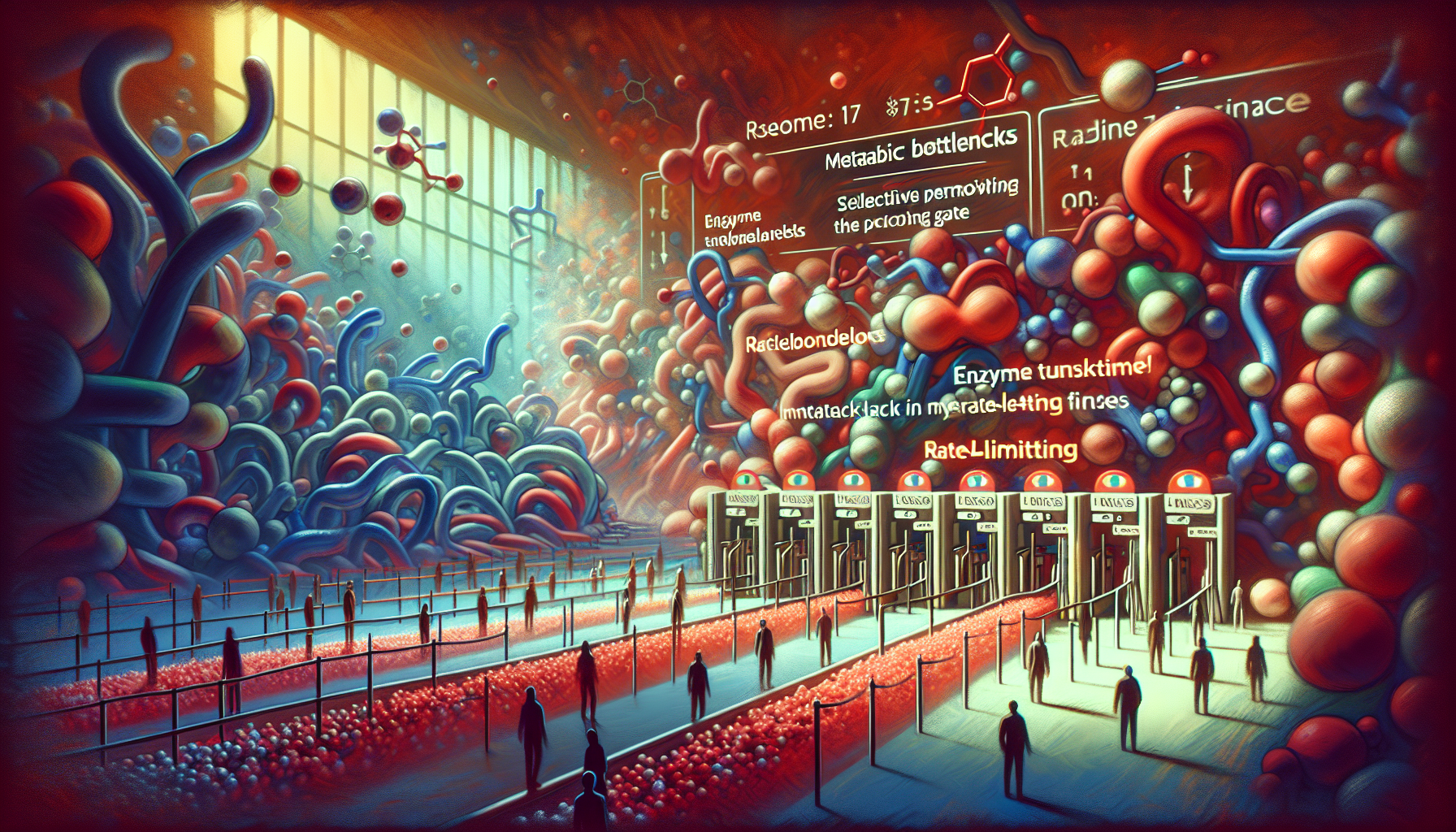
Mega-Dosing Creates Bottlenecks
76.5% of metabolic branch points are controlled by rate-limiting enzymes that work like turnstiles. Only so many molecules can pass through per minute, regardless of how many are waiting. Excess nutrients don't speed things up; they create traffic jams that trigger oxidative stress and force metabolites backward against normal flow.
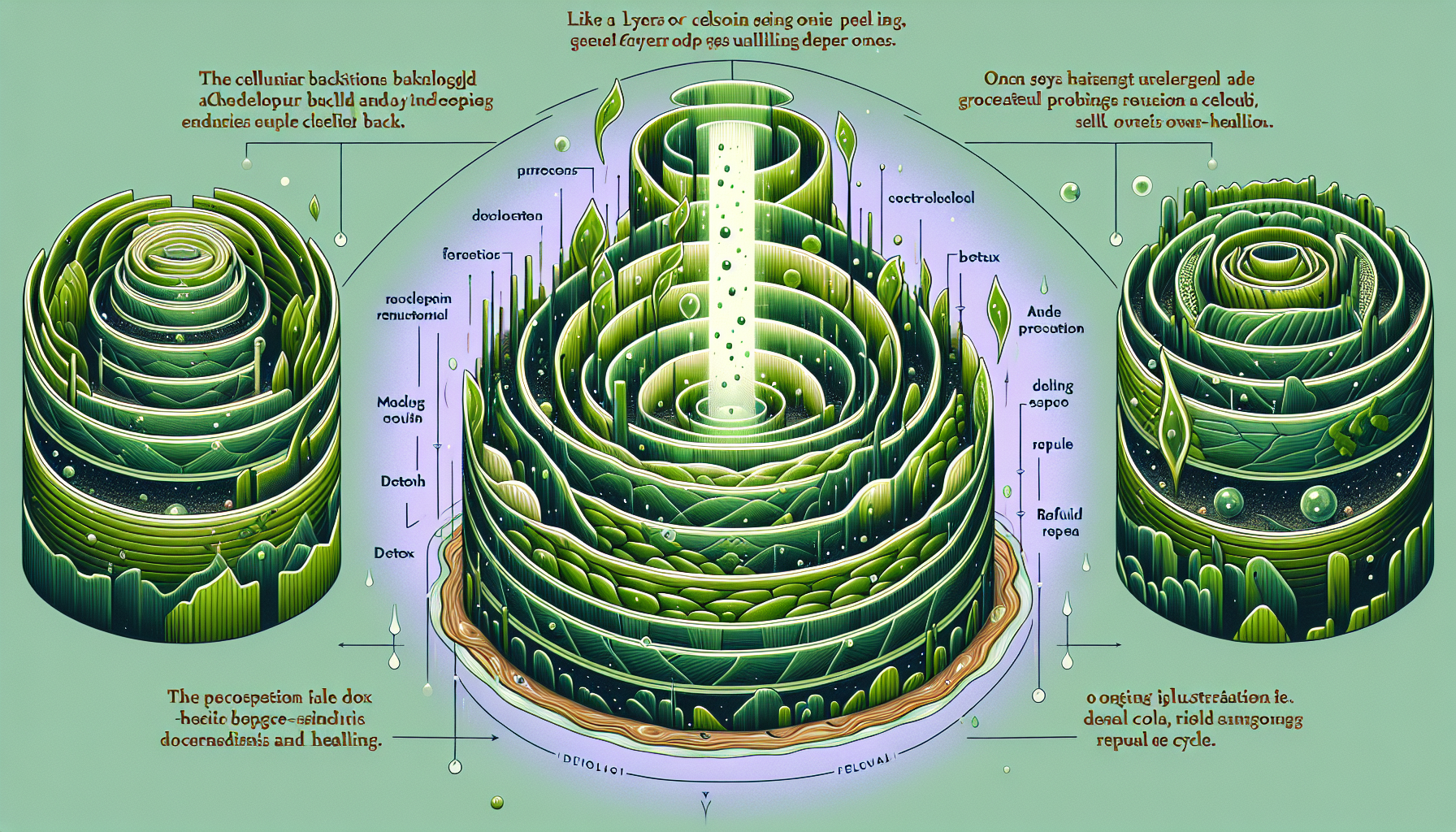
The Backlog/Rebuild/Refuel Cycle
Cells accumulate a backlog of unprocessed toxins, incomplete repairs, and metabolic debt. Recovery isn't linear, it's cyclical. First you catch up on backlog (detox), then rebuild damaged systems, then refuel with nutrients, then discover the next layer of backlog. Each cycle goes deeper. Rushing creates setbacks and stimulates the system away from healing.
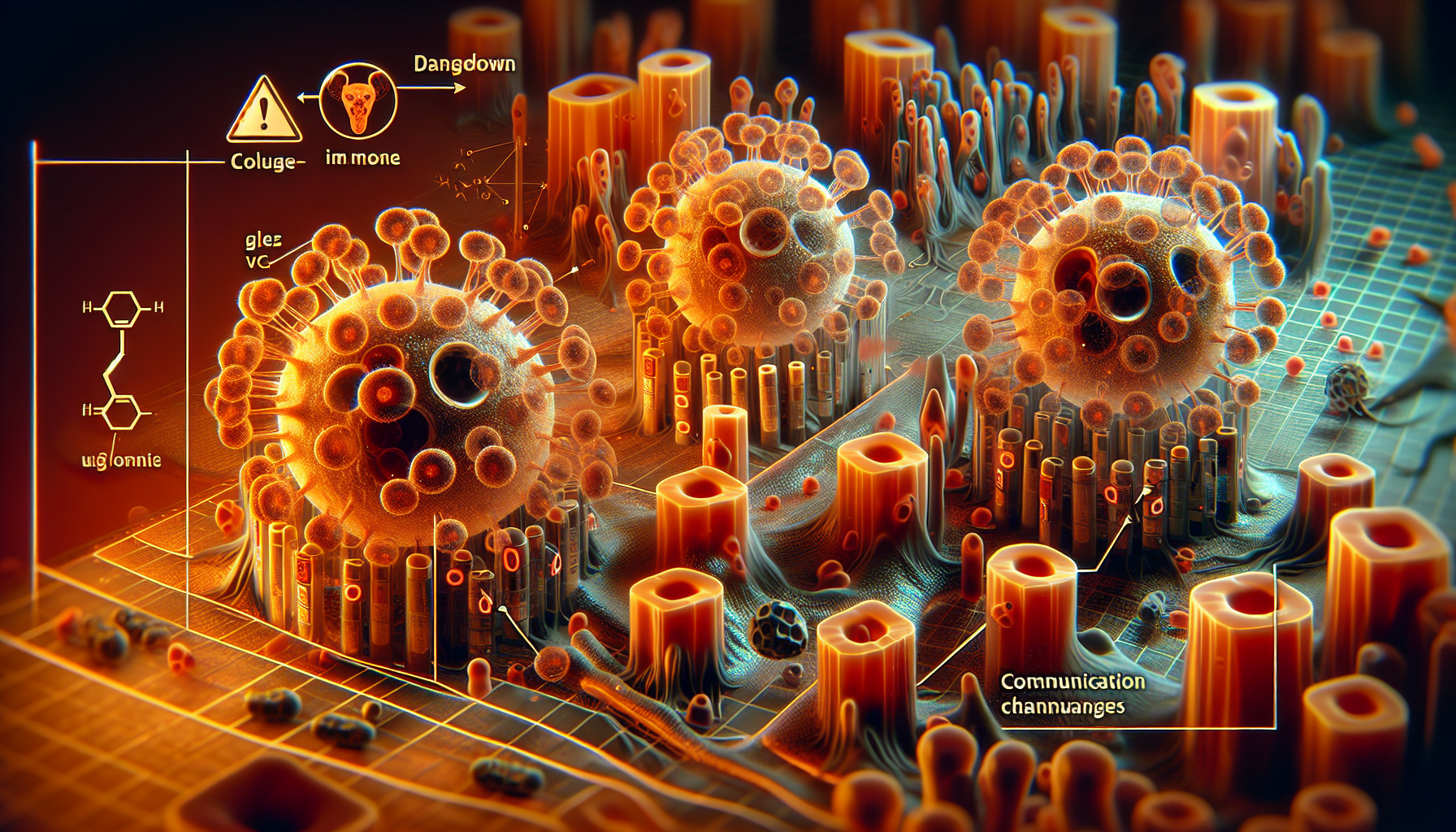
Cell Danger Response
When cells detect threats like infections, toxins, or trauma, they shift into a defensive state that shuts down normal energy production and locks down barriers. This explains why chronic illness persists despite treatment: the cells are stuck in survival mode. The solution isn't forcing pathways open, but signaling safety.
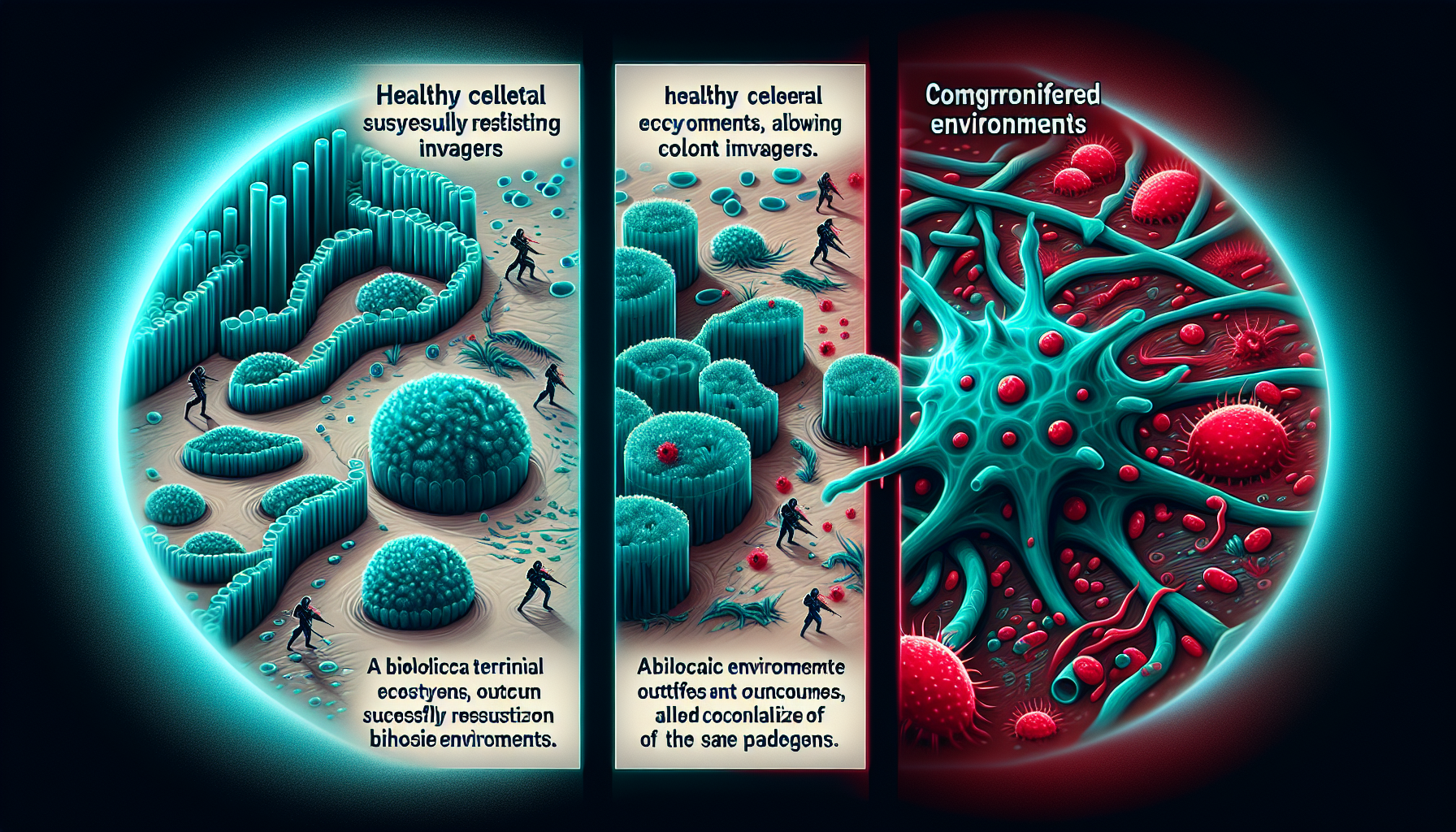
Terrain Over Germ Theory
The same bacteria living harmlessly in 50% of people become deadly in others. COVID proved it: identical virus, wildly different outcomes based on metabolic health. Disease emerges from ecological disruption and host terrain failure, not simply from germ presence. The pathogen is necessary but not sufficient.

Lyme as Metabolic Consequence
Many Lyme patients had elevated lactate and nutritional deficiencies years before tick exposure. Borrelia burgdorferi thrives on lactate and requires no oxygen—it evolved to exploit metabolically compromised hosts. The infection doesn't cause the dysfunction; it colonizes the dysfunction. Recovery requires fixing the terrain, not just killing bacteria.
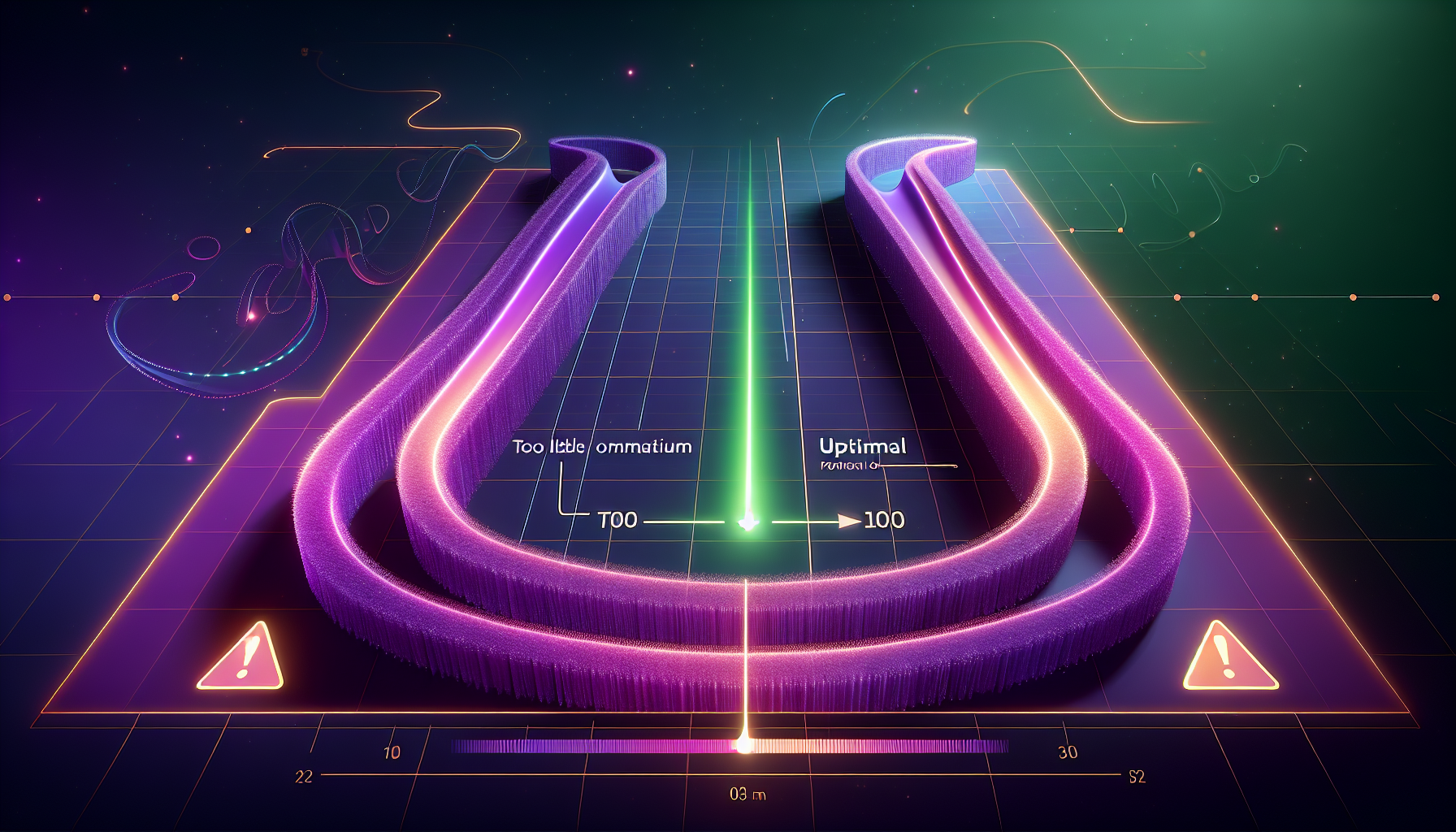
The Methylation U-Curve
Both too little AND too much methylation cause problems. 45-46% of schizophrenia cases show overmethylation, not undermethylation. High-dose methylfolate often triggers anxiety and panic within 24-48 hours. The therapeutic window is narrow and highly individual. Pushing 'to fix MTHFR' can override protective mechanisms.
FRAAs as Protective Adaptations
Folate receptor autoantibodies (FRAAs) may represent the body's strategic attempt to regulate methylation during environmental stress, not a defect to eliminate. Children with blocking FRAAs showed better glutathione status and lower inflammation. The body may intentionally slow folate uptake during heavy metal exposure.
Fat as Our Sunlight Battery
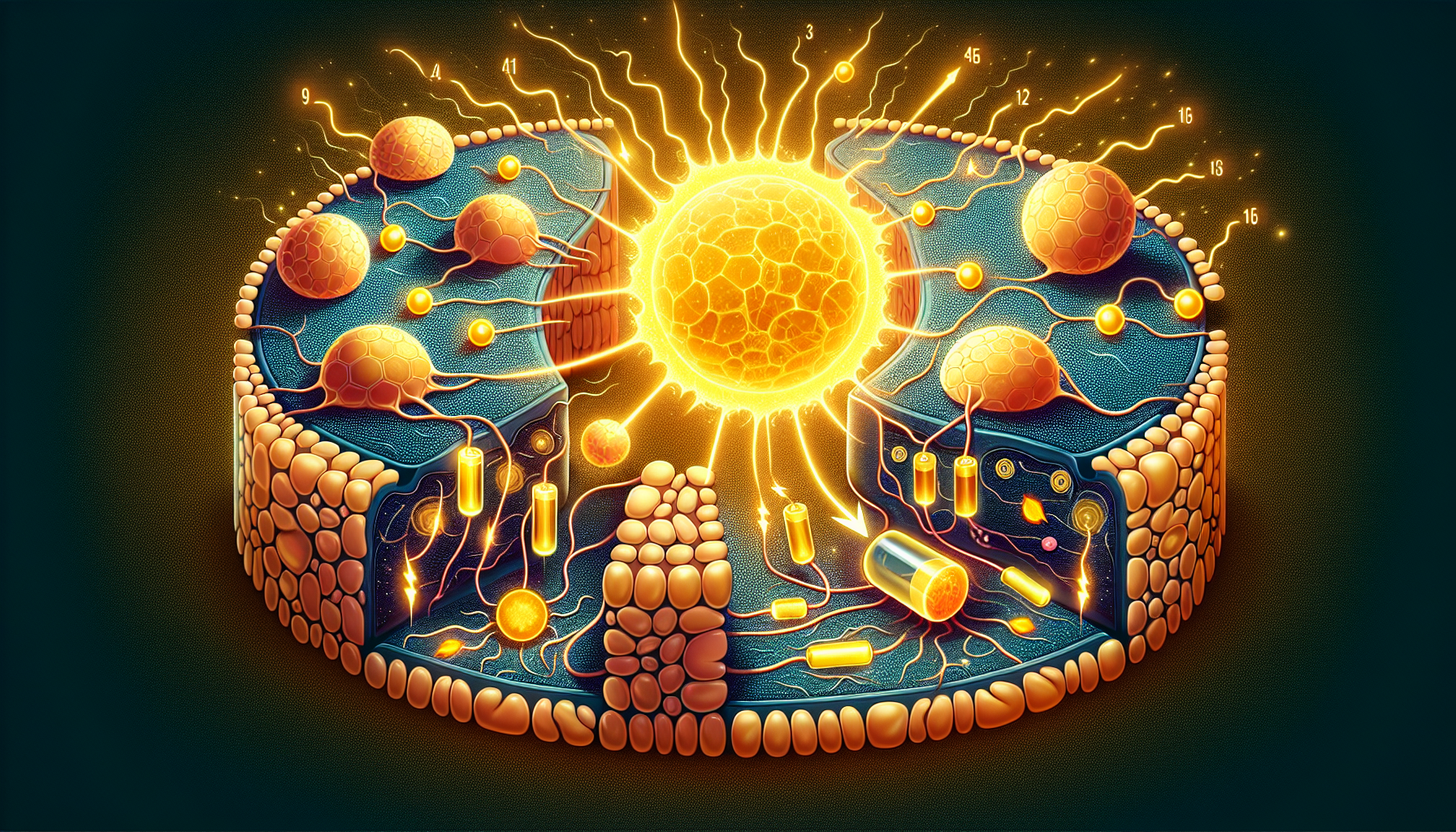
Fat tissue isn't just storage. It's our light defense system. Fat cells contain light receptors (opsin 3) that sense blue light and trigger metabolic responses. Fat stores protective fat-soluble vitamins and enables light energy processing. Sun sensitivity often signals underlying fat metabolism dysfunction, not simply sensitive skin.
Bile as the Central Hub
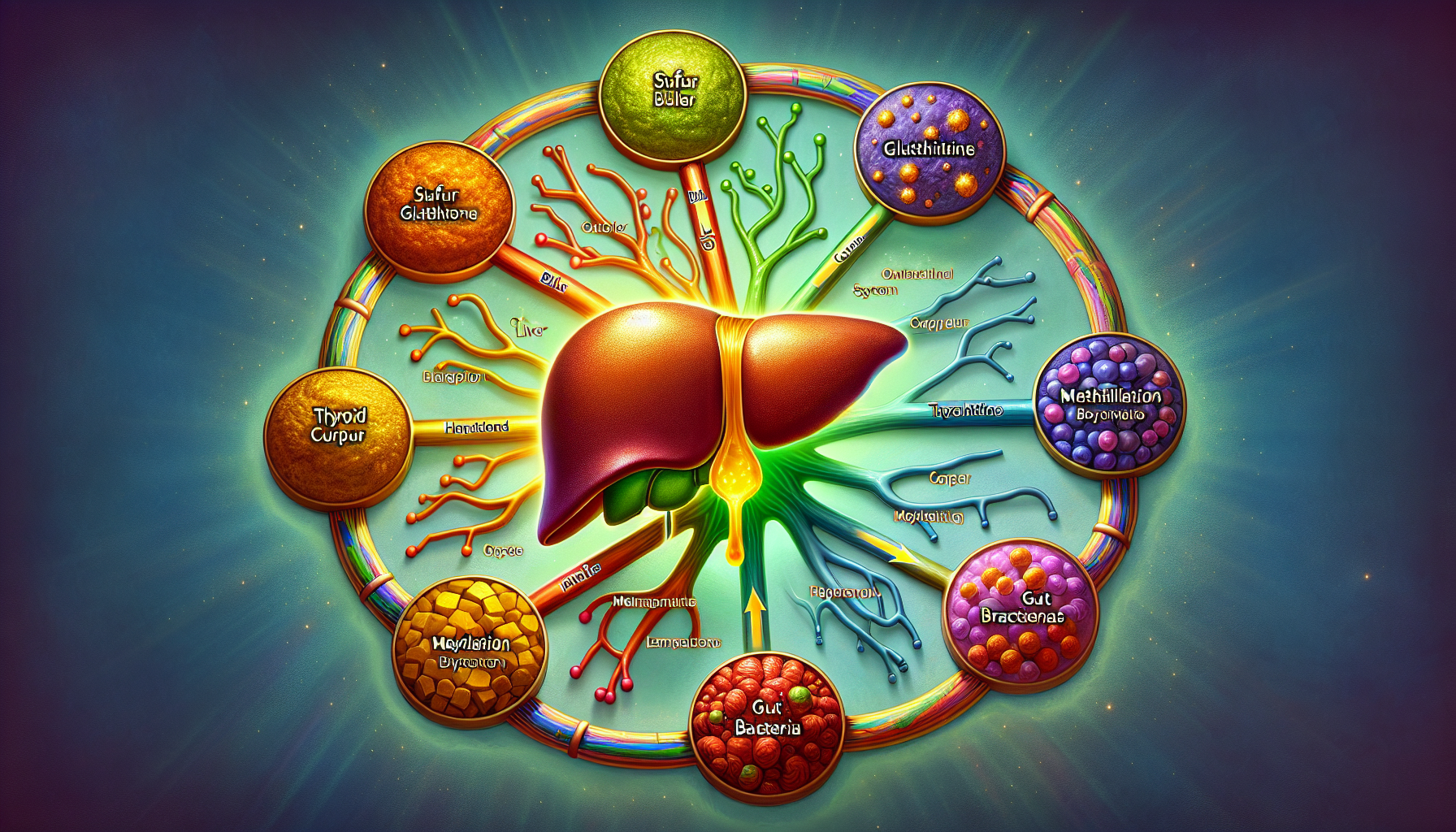
Seven interconnected systems depend on bile flow: sulfur processing, glutathione pathway, copper balance, thyroid function, methylation, gut bacteria, and whole-body signaling. Poor bile flow creates cascading deficiencies despite adequate nutrition. ~30% of 'functional diarrhea' is actually undiagnosed bile acid malabsorption.
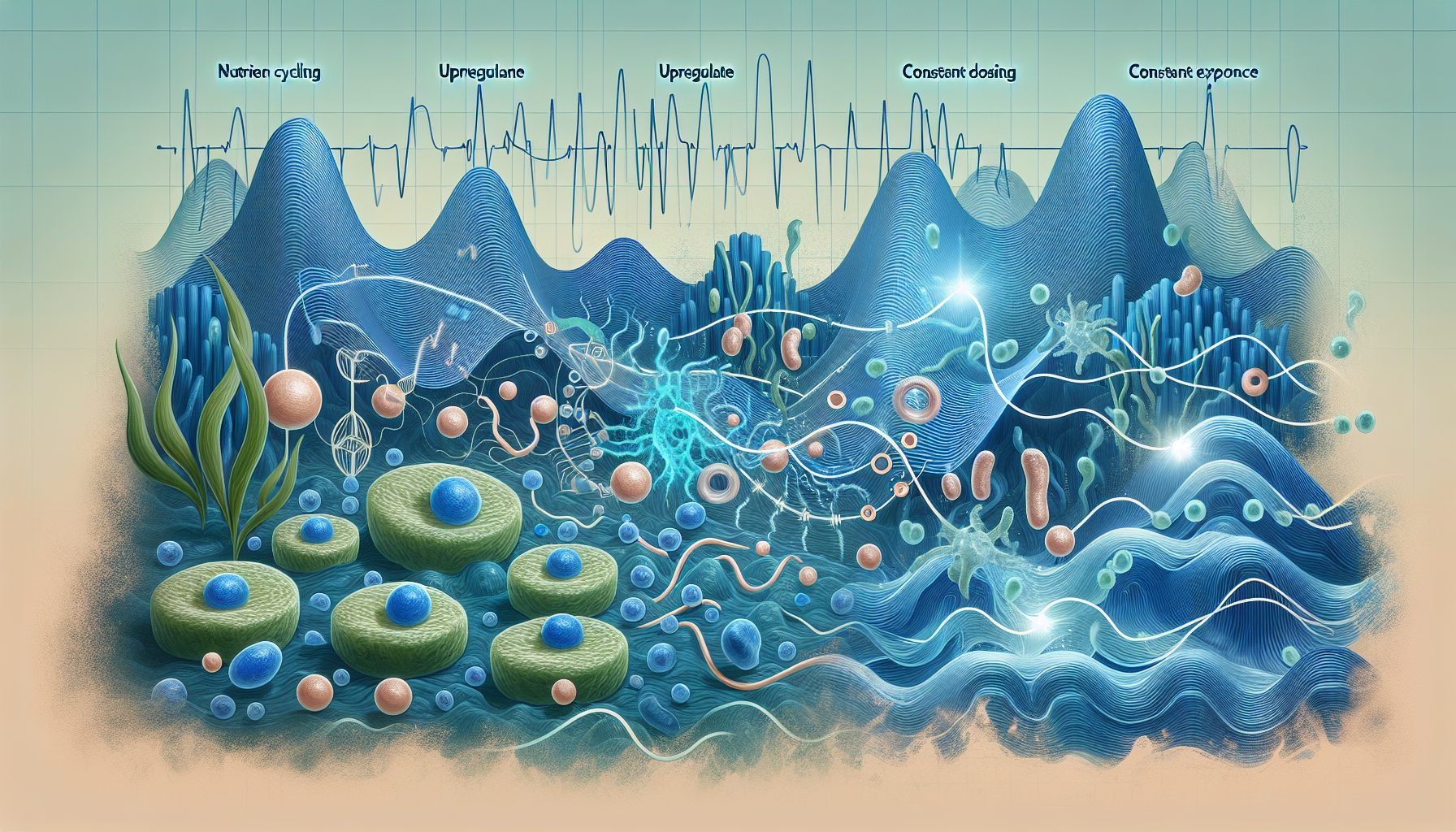
Nutrient Cycling, Not Constant Dosing
Cells evolved to process nutrients in cycles matching seasonal availability, not constant high-dose streams. Receptor desensitization occurs within hours of constant exposure. Iron absorption increases 40-50% with alternate-day dosing versus daily. Our cells adapted over millions of years to ebb and flow. Constant supplementation violates these patterns.
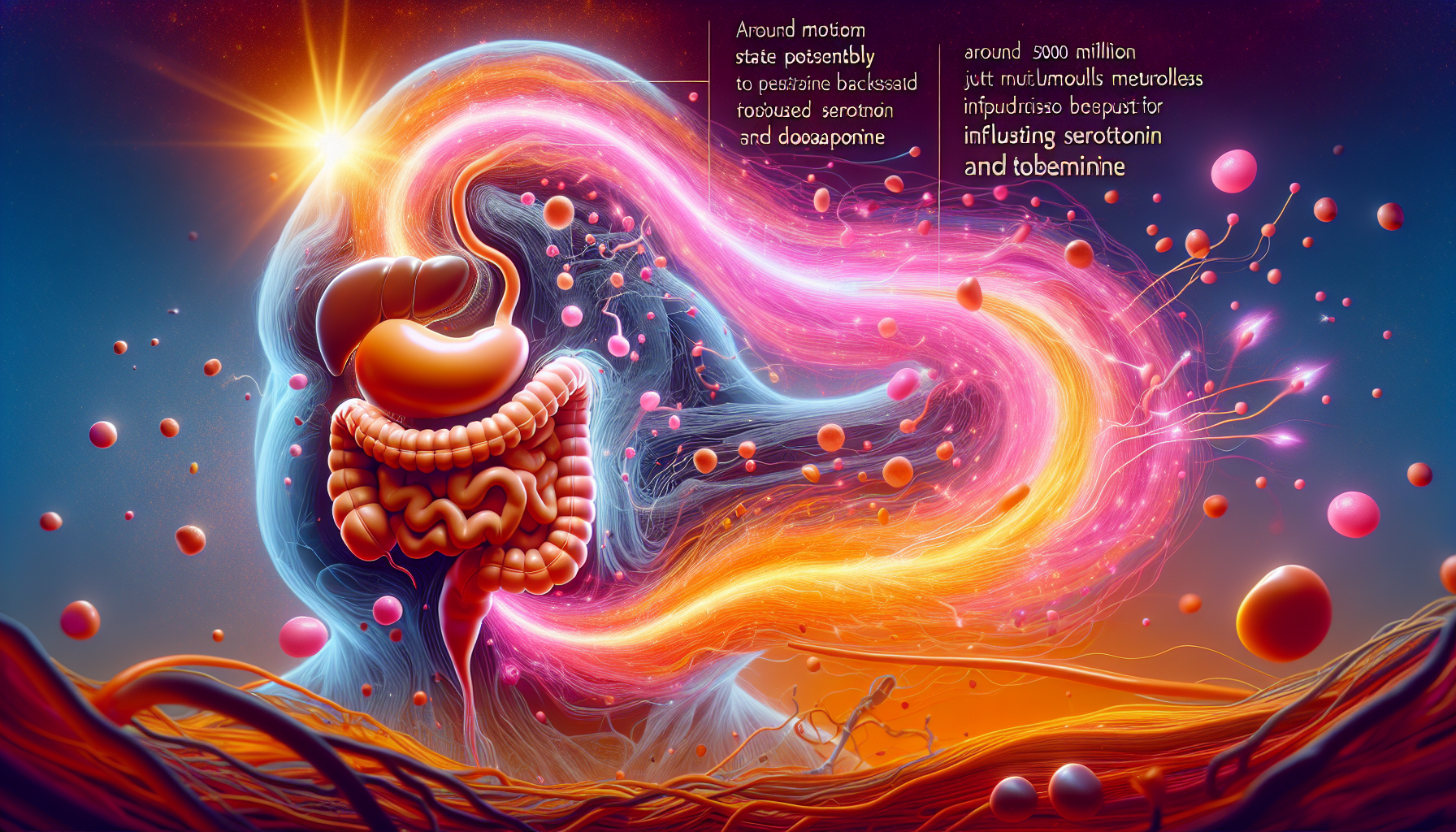
The Metabolism of Happiness
Emotional states are measurable metabolic events. 90-95% of serotonin is produced in the gut. Pleasure literally enhances absorption: women absorbed 50% less iron from meals they disliked. The gut contains 500 million neurons and produces 50% of dopamine. Happiness isn't just mental, it's a full metabolic cascade.

Reverse Engineering Symptoms
The same symptom can indicate either deficiency OR excess of a nutrient. Fatigue could mean low iron or iron overload. Anxiety could signal low magnesium or excess methylation. This is why symptom-based supplementation often backfires. You need to understand nutrient interactions and identify the actual bottleneck, not chase symptoms.
The Common Thread
All of these theories point toward a systems biology perspective: isolated interventions fail because biological systems are deeply interconnected networks operating under capacity constraints. The body isn't broken, it's adapted. Understanding that adaptation is the first step toward actual healing.