GPR109A (Niacin Receptor)
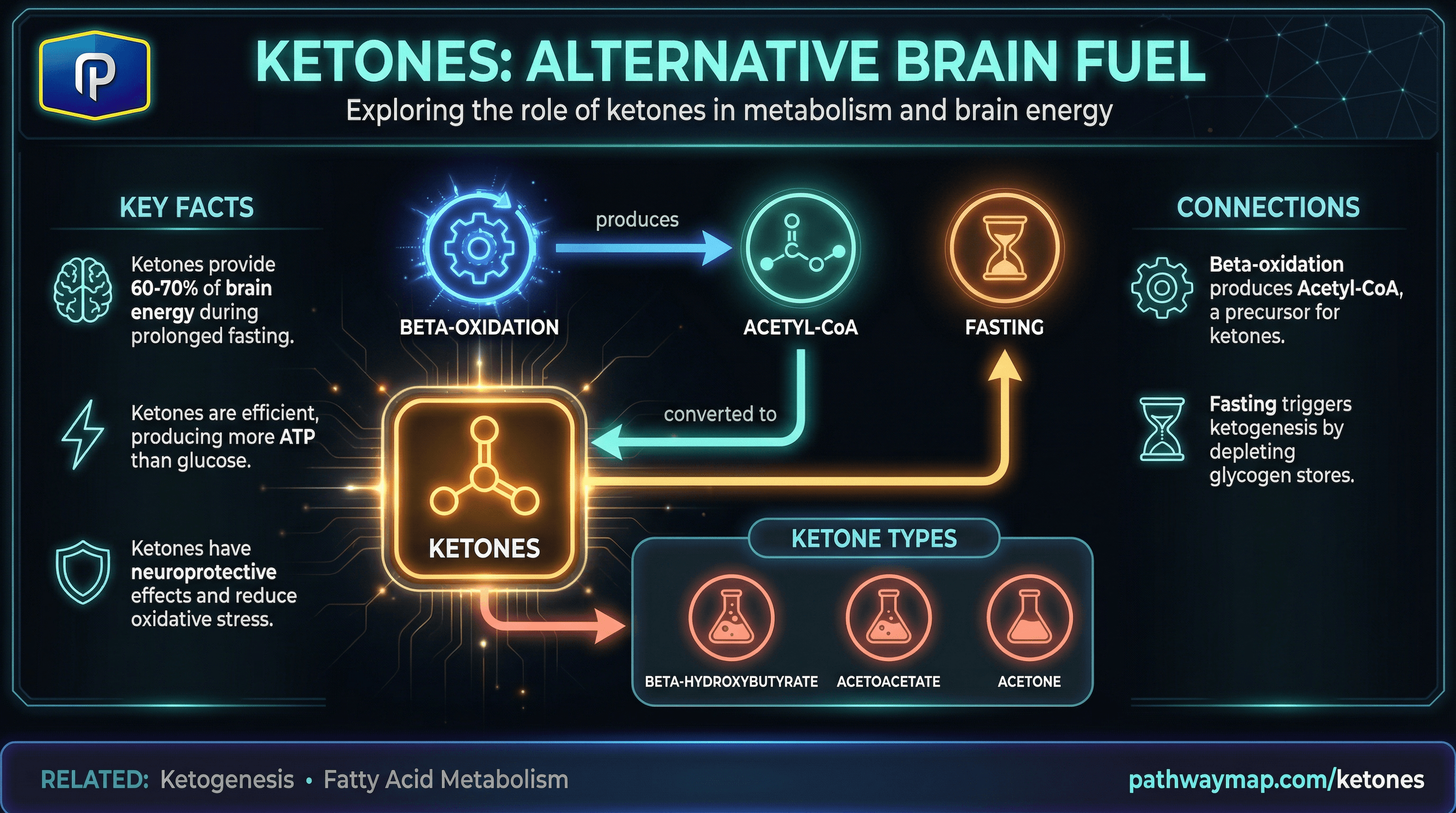
Receptor activated by niacin causing flushing; also activated by ketones; mediates some niacin benefits.

GPR109A (also called HM74A or NIACR1) is a G-protein coupled receptor activated by nicotinic acid (niacin) and beta-hydroxybutyrate (a ketone body). Activation of GPR109A on skin Langerhans cells triggers prostaglandin release, causing the characteristic niacin flush (vasodilation, warmth, redness, tingling).
This same receptor on adipocytes inhibits lipolysis, contributing to niacin's lipid-lowering effects. GPR109A activation also has anti-inflammatory effects in various tissues including the gut (activated by butyrate from fiber fermentation) and immune cells.
Niacinamide (nicotinamide) does not activate GPR109A, so it doesn't cause flushing but also lacks some of niacin's benefits. Extended-release niacin and taking niacin with food can reduce flushing. Aspirin blocks prostaglandin synthesis and can reduce flush.
Metabolic Connections
GPR109A (Niacin Receptor) connects to 7 other pathways.



Signaling Molecules

Prostaglandins
GPR109A activation triggers prostaglandin release, causing niacin flush
Lipid signaling molecules from arachidonic acid; mediate inflammation, pain, fever; target of NSAIDs.
Prostaglandins
GPR109A activation triggers prostaglandin release causing niacin flush
Lipid signaling molecules from arachidonic acid; mediate inflammation, pain, fever; target of NSAIDs.