Ketones
Alternative brain fuel produced from fat during fasting or low-carb eating. Include beta-hydroxybutyrate, acetoacetate, and acetone.
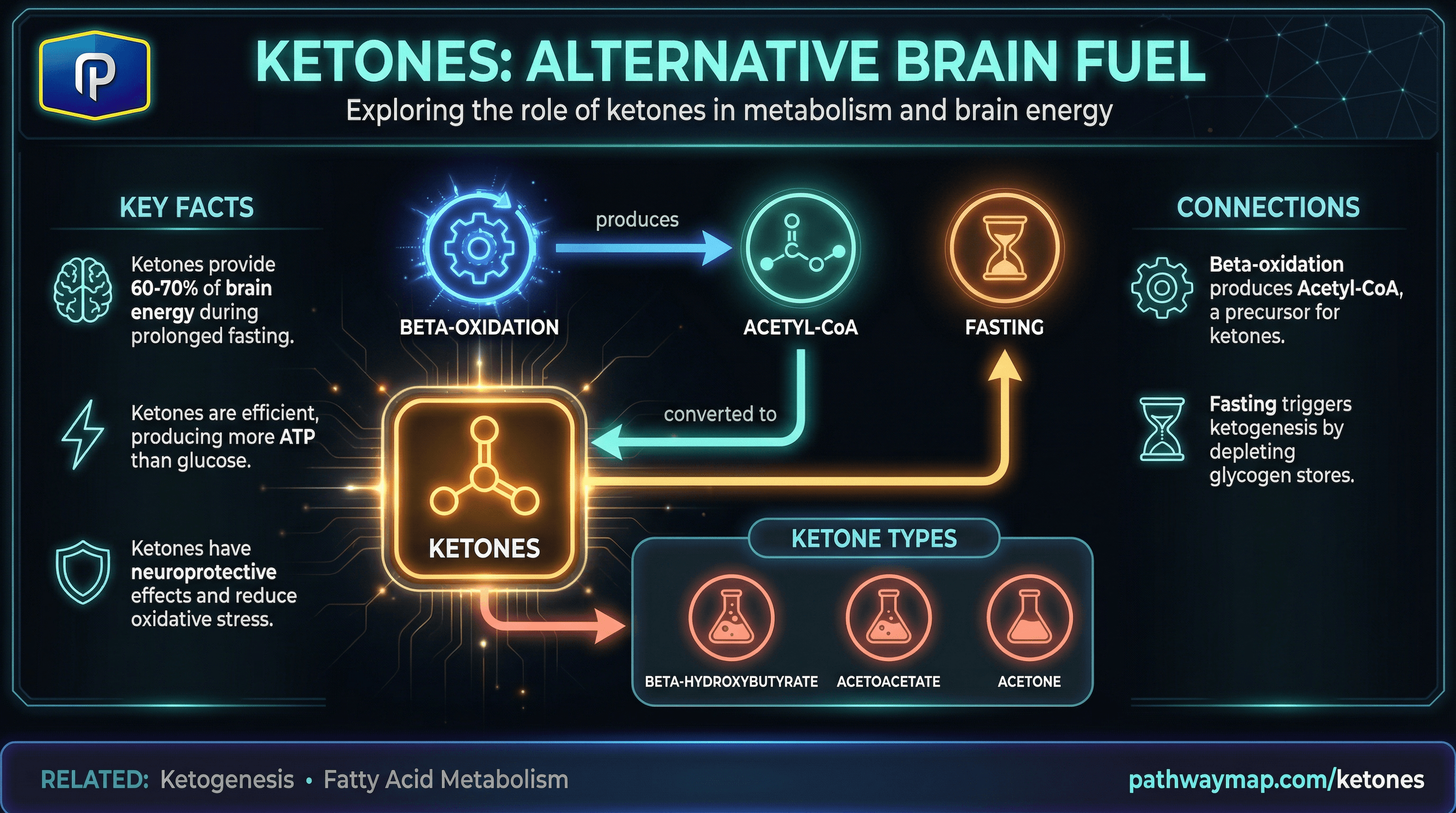
Ketone bodies (beta-hydroxybutyrate, acetoacetate, acetone) are molecules produced by the liver from fatty acids during fasting, carbohydrate restriction, or prolonged exercise. They serve as alternative fuel for the brain and other tissues when glucose is scarce.
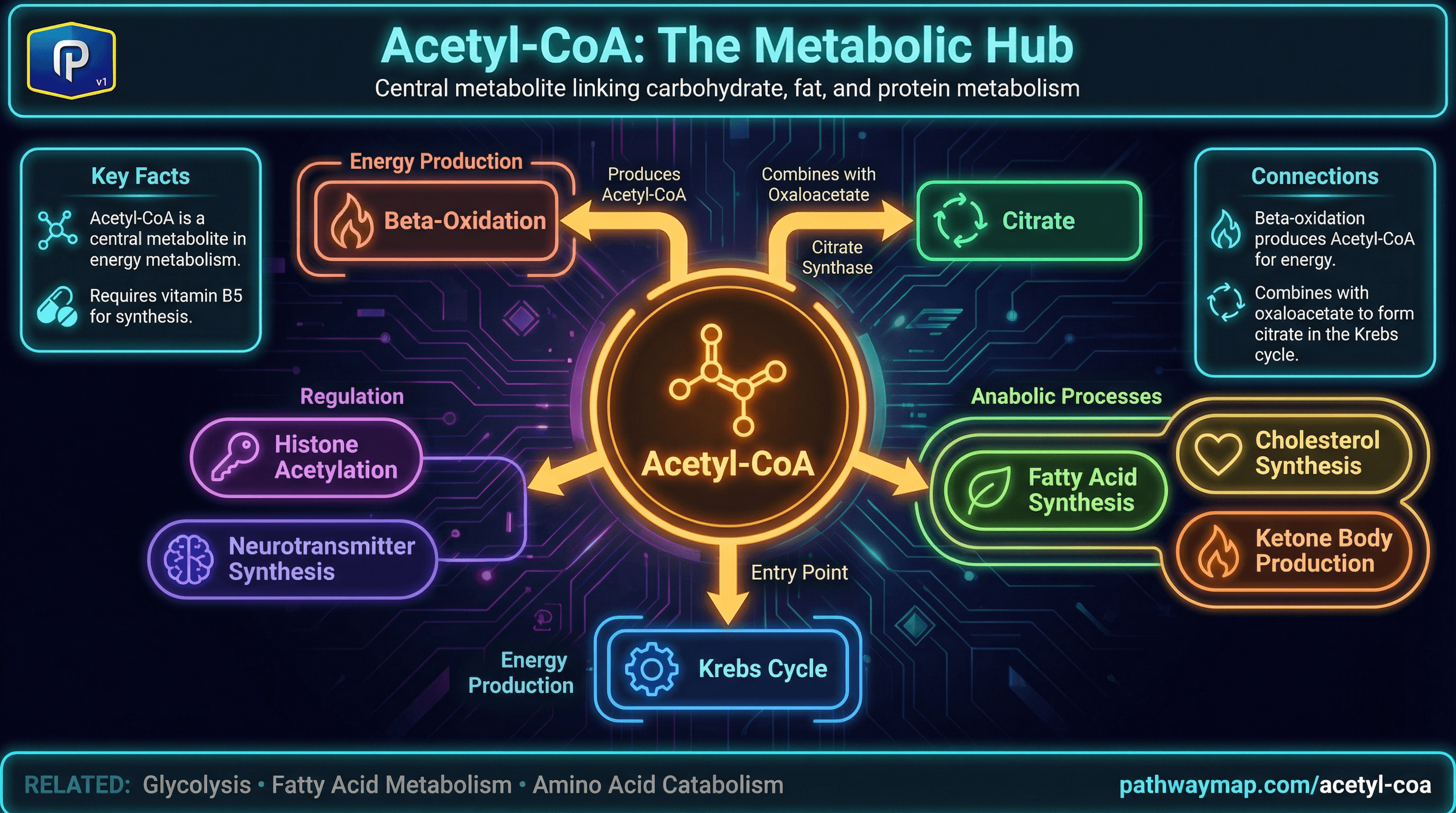
Ketogenesis: Fatty acids undergo beta-oxidation to acetyl-CoA, When acetyl-CoA exceeds Krebs cycle capacity (low oxaloacetate), Acetyl-CoA is converted to ketones in liver mitochondria, Ketones are released into blood and used by brain, heart, muscle. Ketone types: Beta-hydroxybutyrate (BHB) - most abundant, what's measured in blood.
Acetoacetate (AcAc) - measured in urine. Acetone - exhaled (fruity breath in ketosis).
Brain fuel: The brain normally uses glucose exclusively, but can adapt to derive 60-70% of energy from ketones during prolonged fasting.
This evolutionary adaptation preserves muscle (reduces need for gluconeogenesis from amino acids). Benefits of ketones: Efficient fuel (more ATP per unit than glucose), Anti-inflammatory effects, Reduced oxidative stress, HDAC inhibition (epigenetic effects), Improved mitochondrial function, and Neuroprotection (studied in epilepsy, Alzheimer's, Parkinson's).
Achieving ketosis: Fasting (12-24+ hours to begin), Ketogenic diet (very low carb, moderate protein, high fat), Exercise (depletes glycogen, promotes ketogenesis), and Exogenous ketones (supplements - BHB salts, ketone esters). Ketogenic diet applications: Originally developed for epilepsy (still used), Weight loss, Type 2 diabetes management, Metabolic syndrome, Potentially neurodegenerative diseases, and Athletic performance (fat adaptation).
Safety considerations: Nutritional ketosis (0.5-3 mM BHB) is different from diabetic ketoacidosis (DKA), which is dangerous. Adaptation period ('keto flu') common. Not appropriate for everyone (type 1 diabetes, pregnancy, certain conditions). Long-term effects still being studied.
Metabolic Connections
Ketones connects to 6 other pathways.
Processes
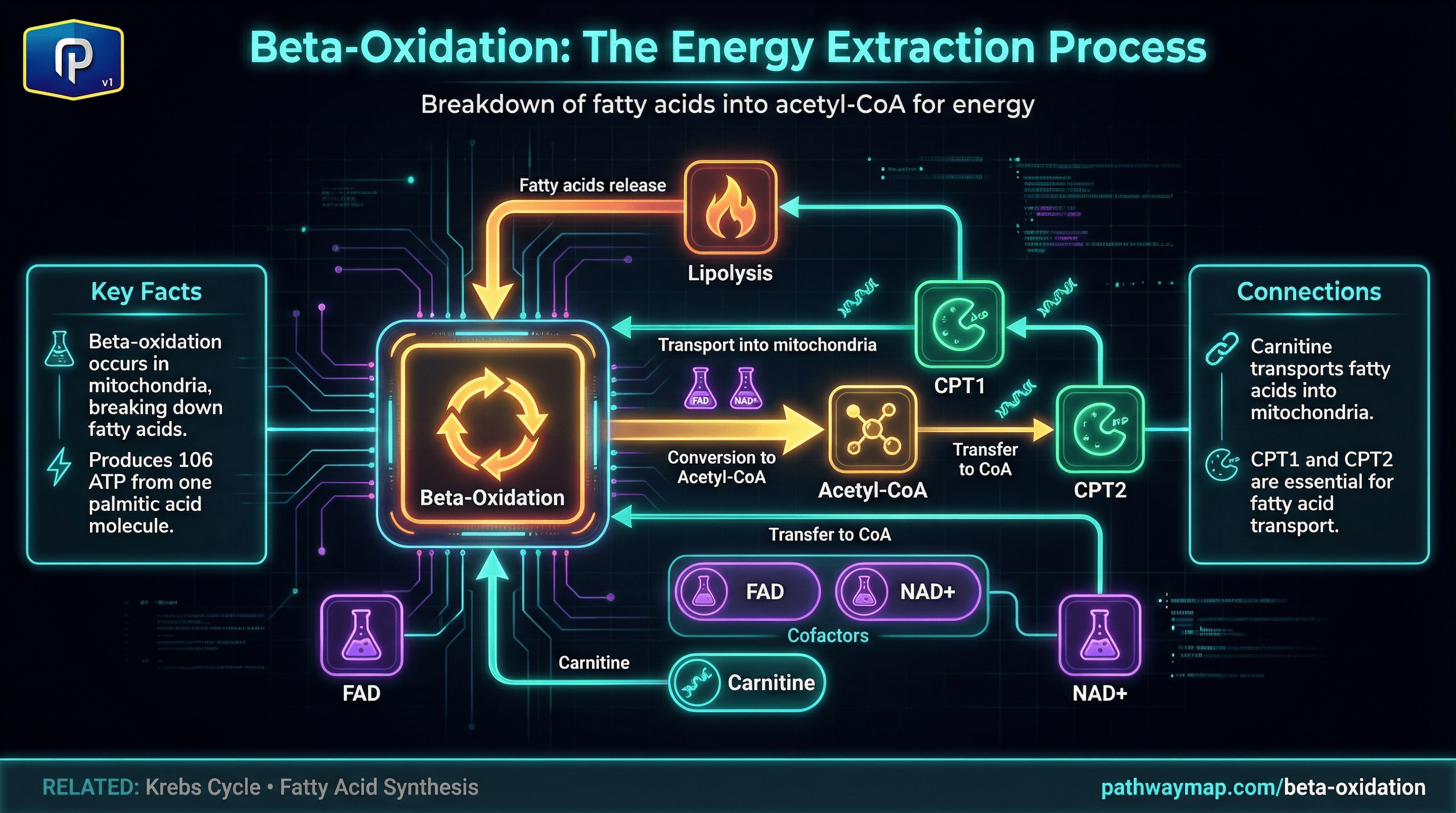
Beta-Oxidation
Beta-oxidation produces acetyl-CoA which can be converted to ketones during fasting
Mitochondrial breakdown of fatty acids into acetyl-CoA units for energy production.

Fasting
Fasting induces ketogenesis as the body shifts to burning fat for fuel
Extended periods without food that activate autophagy, metabolic switching, and cellular stress responses. Various protocols exist.
Fasting
Extended fasting induces ketogenesis as the body shifts to fat burning
Extended periods without food that activate autophagy, metabolic switching, and cellular stress responses. Various protocols exist.