Vitamin D Receptor (VDR)
Nuclear receptor through which vitamin D exerts its effects on gene expression. Genetic variants affect vitamin D sensitivity.
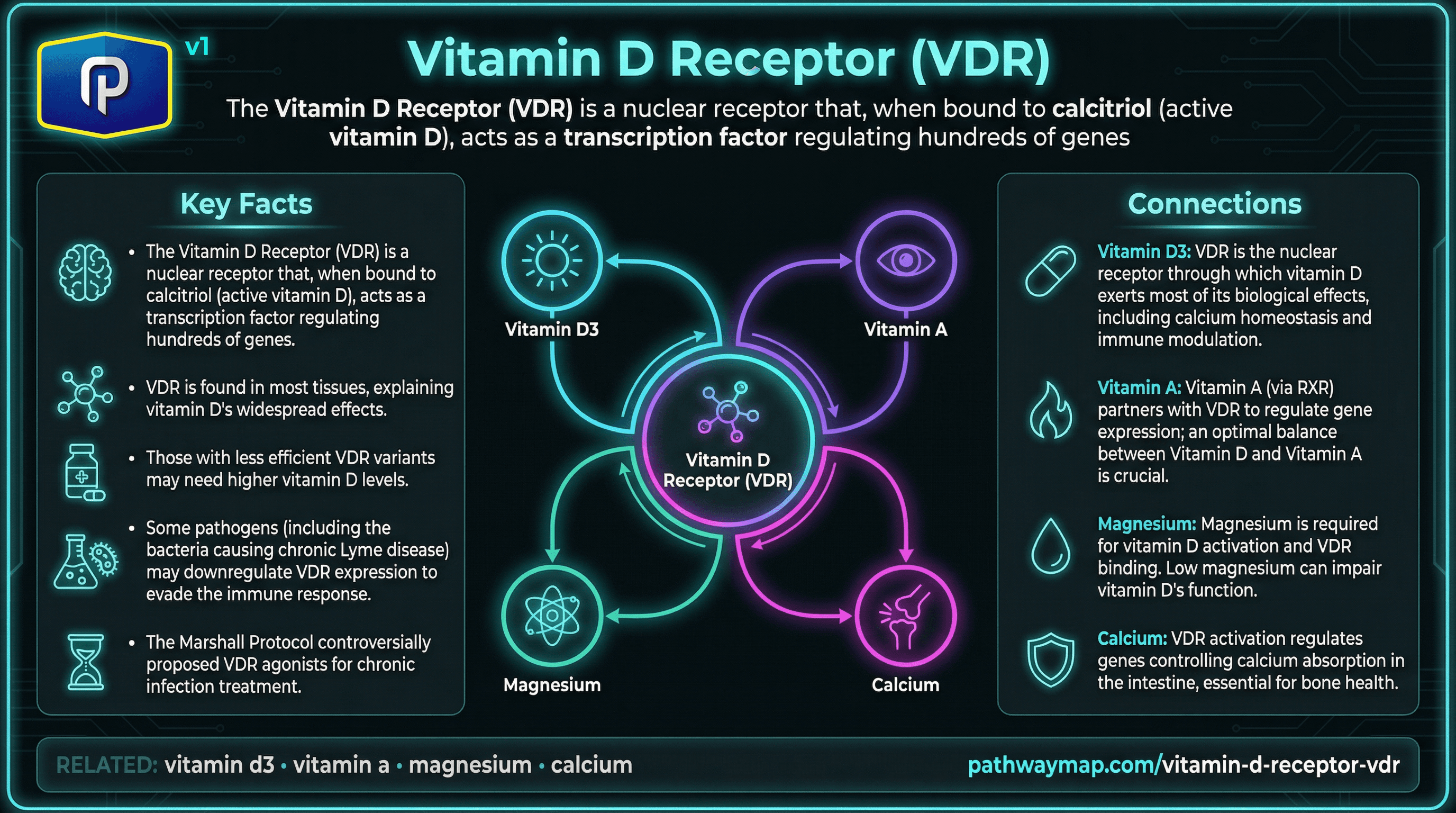
The Vitamin D Receptor (VDR) is a nuclear receptor that, when bound to calcitriol (active vitamin D), acts as a transcription factor regulating hundreds of genes. VDR is found in most tissues, explaining vitamin D's widespread effects. Mechanism: Calcitriol (1,25(OH)2D) binds VDR, which partners with RXR (retinoid X receptor), binds vitamin D response elements (VDREs) on DNA, and activates or represses target genes.
Genes regulated: Calcium and phosphorus homeostasis (intestinal absorption, bone remodeling), Immune function (cathelicidin antimicrobial peptide, immune modulation), Cell cycle (promotes differentiation, inhibits proliferation), Insulin secretion and sensitivity, Blood pressure regulation, and Hundreds more. VDR genetic variants: Common polymorphisms (FokI, BsmI, ApaI, TaqI) affect VDR function and are associated with various disease risks: Osteoporosis, Autoimmune diseases, Cancer risk, Diabetes, and Infection susceptibility.
Those with less efficient VDR variants may need higher vitamin D levels. VDR and infections: VDR activation upregulates antimicrobial peptides. Some pathogens (including the bacteria causing chronic Lyme disease) may downregulate VDR as a survival strategy.
The Marshall Protocol controversially proposed VDR agonists for chronic infections. VDR and autoimmunity: Vitamin D's immunomodulatory effects through VDR may explain why adequate vitamin D status is associated with reduced autoimmune disease risk. Optimizing VDR function: Ensure adequate vitamin D (test and supplement as needed), Maintain vitamin A balance (RXR partner needs vitamin A), Omega-3 fatty acids may enhance VDR activity, Certain medications and toxins can block VDR.
Metabolic Connections
Vitamin D Receptor (VDR) connects to 8 other pathways.
Toxic Elements

Major Minerals

Calcium
VDR activation regulates genes controlling calcium absorption and metabolism
Most abundant mineral in the body. Essential for bones, muscle contraction, nerve signaling, and blood clotting.
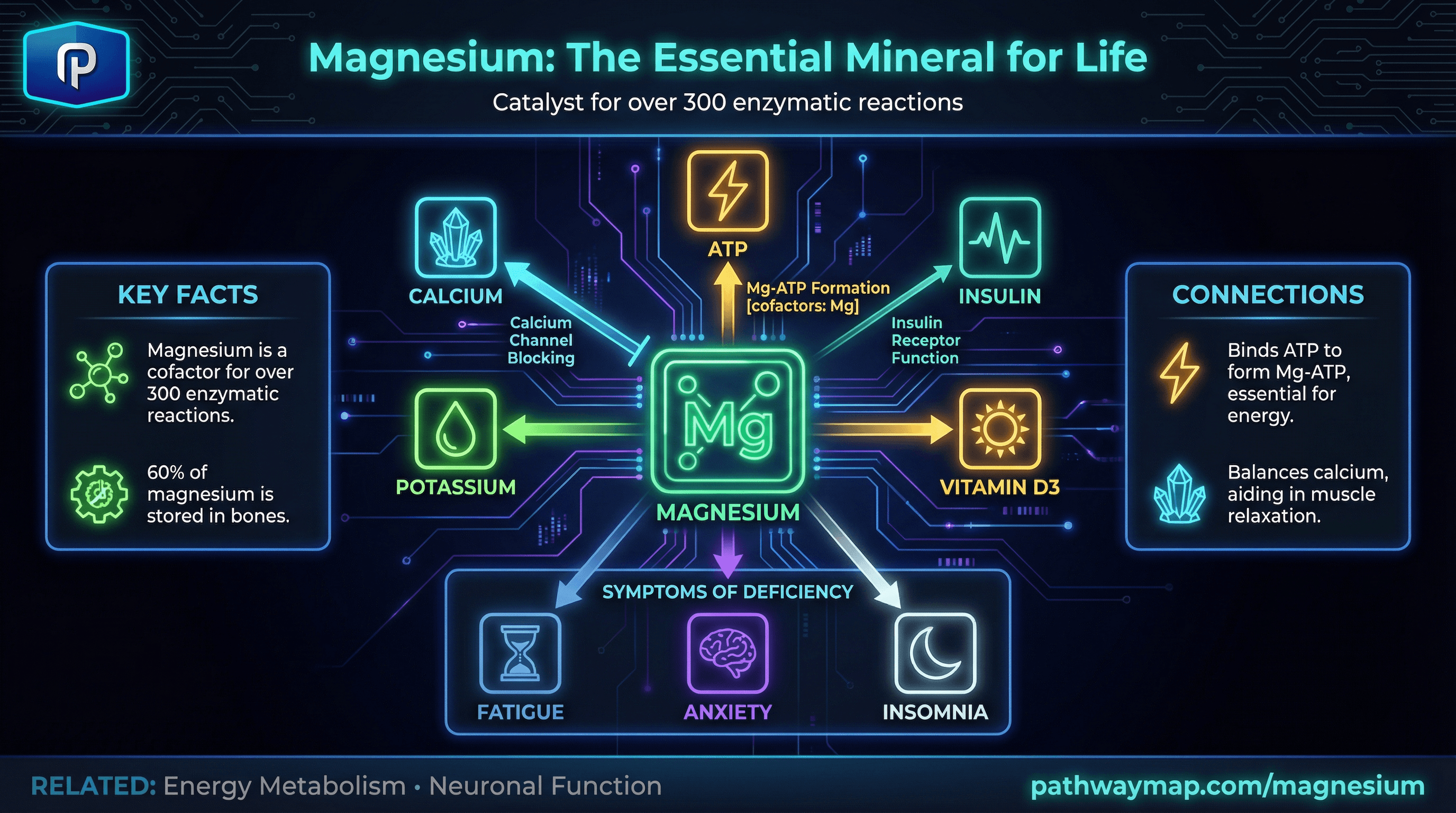
Magnesium
Magnesium is required for vitamin D activation and VDR binding
Essential mineral involved in 300+ enzymatic reactions. Required for ATP, muscle/nerve function, and blood pressure regulation.
Nutrients
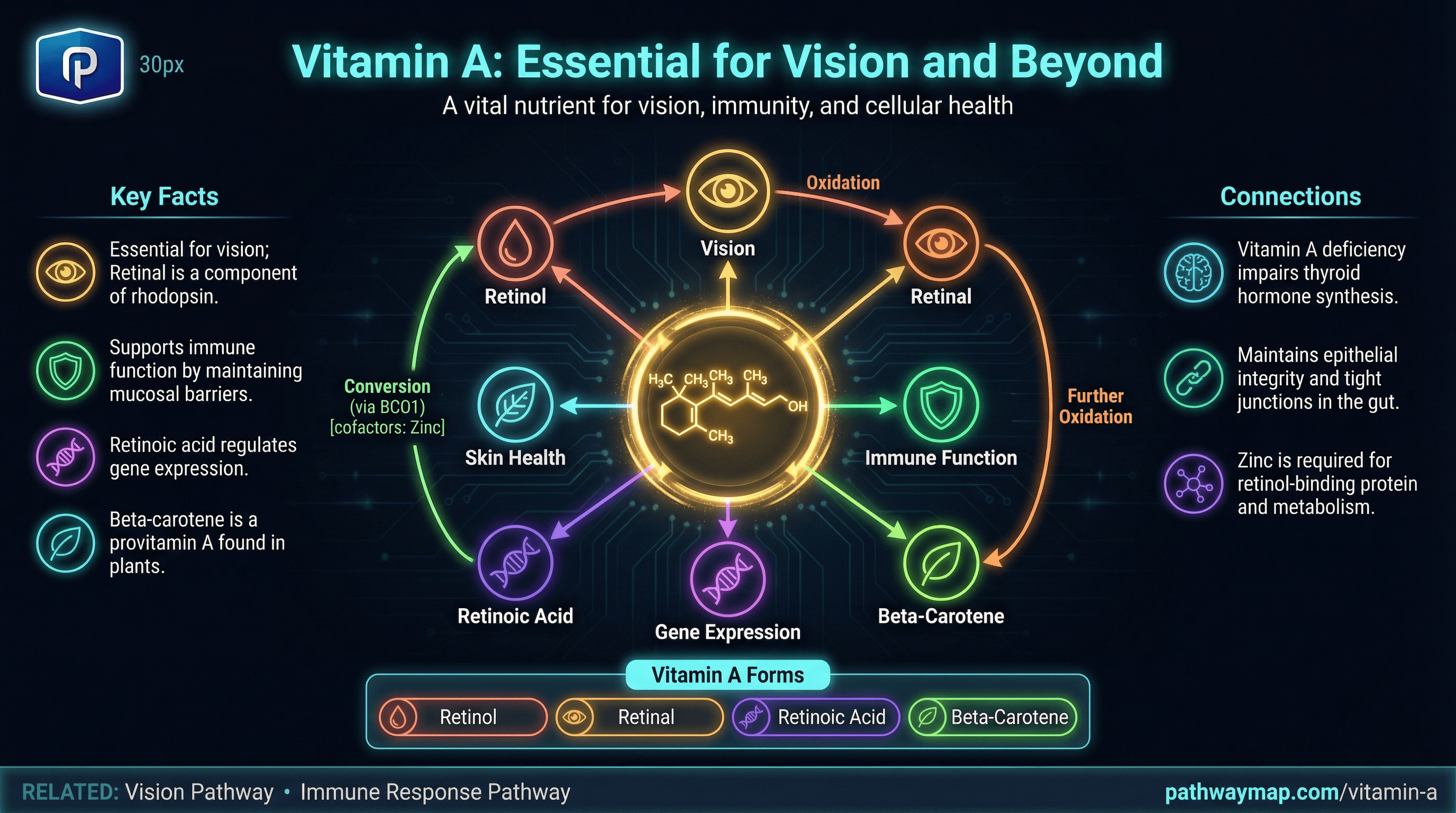
Vitamin A
Vitamin A (via RXR) partners with VDR to regulate gene expression
Fat-soluble vitamin essential for vision, immunity, skin, and gene expression. Found as retinol in animal foods and carotenoids in plants.
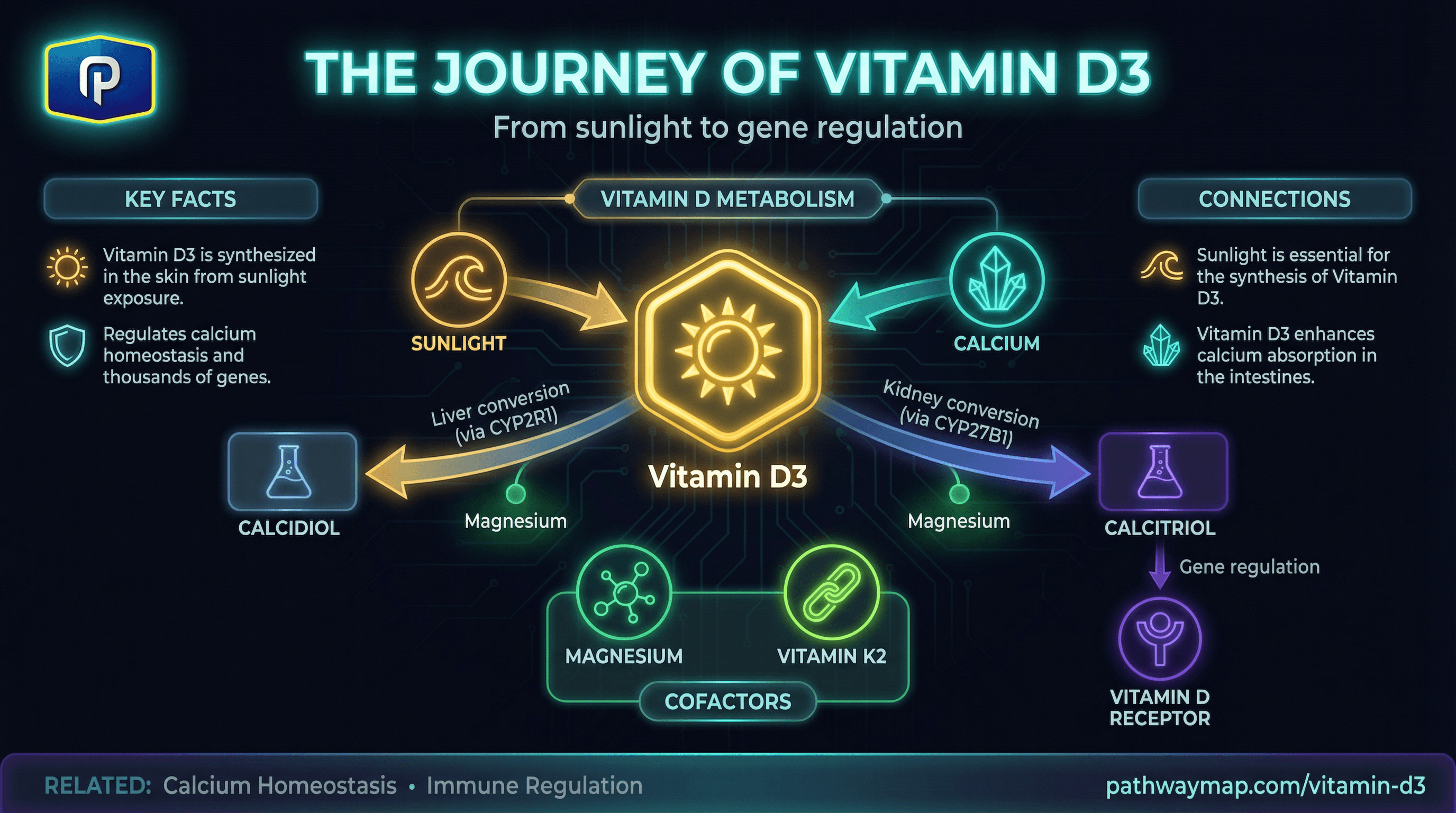
Vitamin D3
VDR is the nuclear receptor through which vitamin D exerts its gene regulatory effects
Cholecalciferol - the form made from sunlight and found in animal sources. Converted to calcitriol, regulating calcium and thousands of genes.
Vitamin D3
Active vitamin D binds VDR to regulate gene expression
Cholecalciferol - the form made from sunlight and found in animal sources. Converted to calcitriol, regulating calcium and thousands of genes.
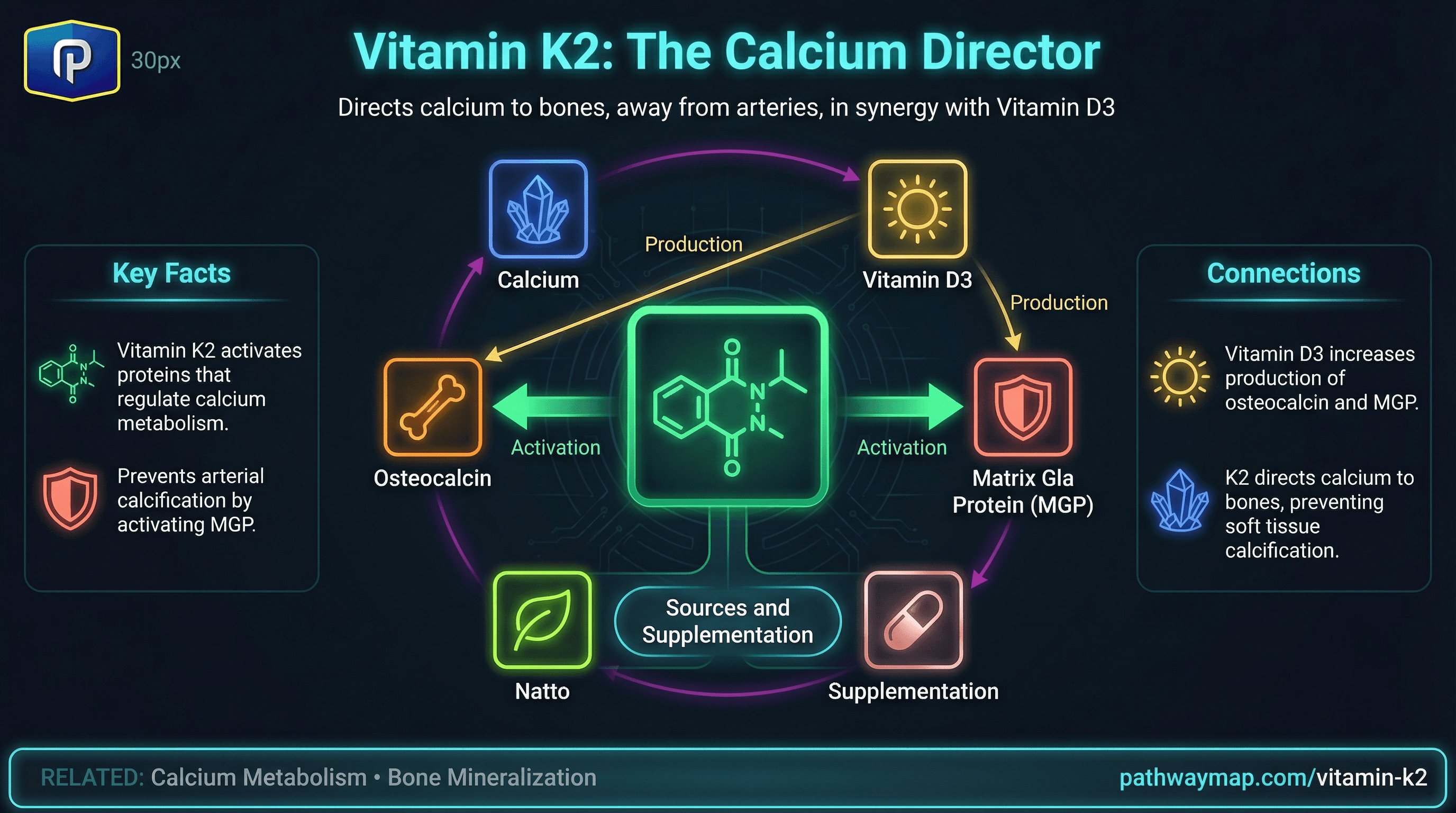
Vitamin K2
K2 works synergistically with vitamin D for calcium metabolism.
Menaquinone - activates proteins that direct calcium to bones and away from arteries. Works synergistically with vitamin D3.
